
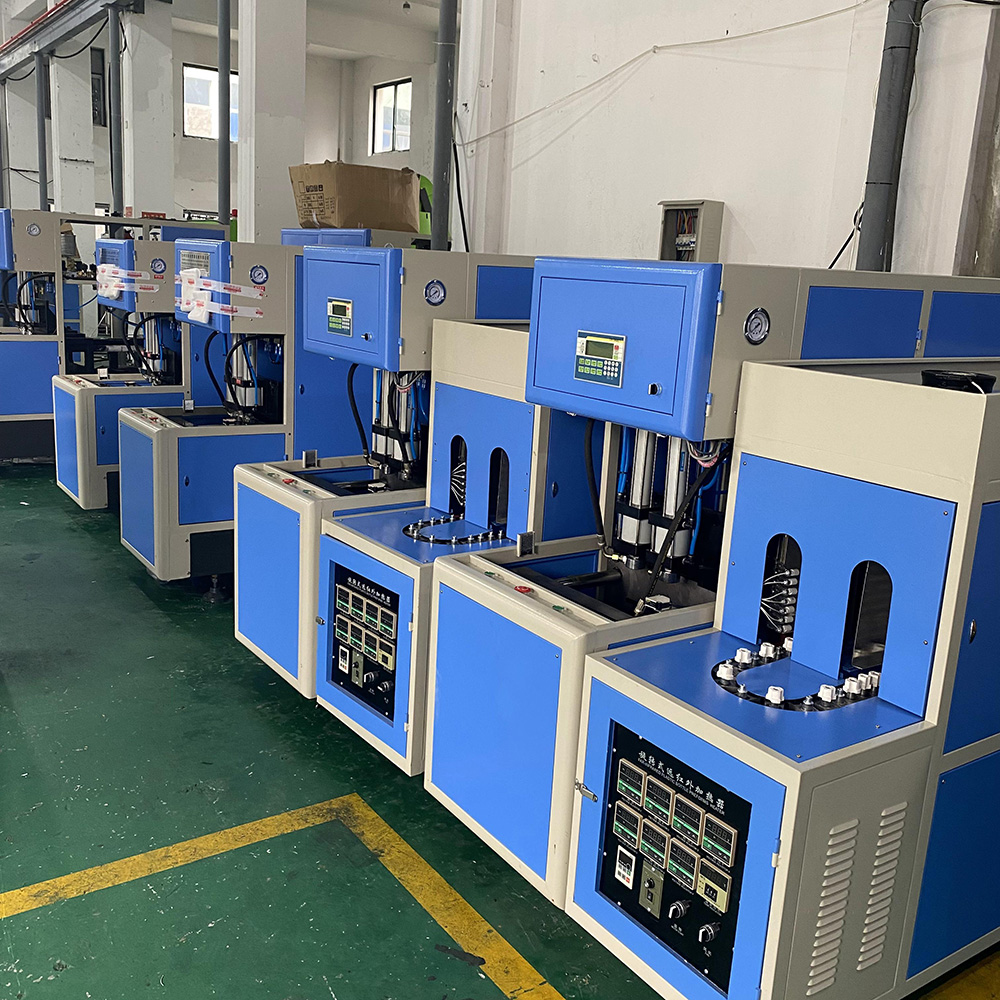
Running High-Percentage rPET on Blow Molding Machines: Heating Adjustments and Quality Control
Executive Summary
Driven by global sustainability mandates and international packaging regulations, rigid container manufacturers are rapidly transitioning toward high-percentage recycled polyethylene terephthalate (rPET) up to 100% rPET content. However, processing rPET preforms introduces significant thermal and rheological challenges compared to virgin resin. Variations in intrinsic viscosity (IV), thermal history, and residual yellowness index (YI) alter infrared absorption rates, frequently causing overheating, severe sidewall haze, thermal shrinkage, and processing instability on standard stretch blow molding (SBM) lines.
As a leading Chinese enterprise specializing in precision tooling, yushunmachine delivers comprehensive technical solutions for processing sustainable resins. This white paper explores advanced infrared heating profile recalibration, pre-blow pressure kinetics, and precision blow molding machine mold design required to successfully manufacture high-percentage rPET containers without sacrificing optical clarity or structural top-load strength.
1. Rheological and Thermal Characteristics of High-Percentage rPET
Recycled PET resin undergoes multiple thermal cycles during post-consumer collection, washing, and pelletizing, leading to distinct material behaviors that impact stretch blow molding:
- Lower Intrinsic Viscosity (IV Drop): rPET typically exhibits a lower IV (ranging from 0.72 to 0.76 dl/g) than virgin resin (0.80–0.84 dl/g), reducing melt strength and increasing susceptibility to preform sagging inside the heating oven.
- Altered Infrared Absorption Spectrums: Trace thermal degradation and residual contaminants modify light transmission, causing rPET preforms to absorb infrared radiation faster and less uniformly than virgin material.
- Narrower Process Window: The thermal crystallization window for rPET is tighter, requiring precise temperature control to prevent premature crystallization (haze) or excessive thermal sticking.
2. Infrared Heating Oven Adjustments for rPET Preforms
Because high-percentage rPET absorbs short-wave infrared energy more aggressively, running legacy virgin temperature profiles will overheat the preform skin while leaving the core insufficiently conditioned:
Thermal Optimization Rule: Lower lamp voltages combined with increased forced-air ventilation inside the heating cavity are essential when processing rPET. This slows down surface heating, allowing radiant energy to penetrate evenly to the preform core.
A. Zonal Lamp Voltage Calibration
Oven lamp banks must be recalibrated with lower power output across the main body zones to prevent skin temperature spikes above 115°C. Zonal profiling must account for the specific rPET flake source and crystallinity levels.
B. Enhanced Oven Air Circulation
Increasing high-velocity airflow across the preform exterior maintains surface cooling while thermal energy conducts inward, balancing the inner-to-outer wall temperature gradient and eliminating localized hot spots.
3. Mold Tooling Synergy: The yushunmachine Advantage
Optimizing heating parameters is only half of the equation; high-percentage rPET requires robust mechanical mold tooling designed to manage accelerated thermal loads and prevent post-molding shrinkage.
yushunmachine engineers custom PET blowing molds and bottle blowing machine molds optimized for sustainable resin processing:
- 3D Conformal Cooling Circuitry: CNC-machined internal water channels deliver rapid, uniform heat extraction across all cavity walls, locking in structural rigidity and preventing thermal distortion in high-rPET containers.
- Micro-Vented Parting Lines: Precision venting channels (≤ 0.02 mm) allow instant air evacuation during rapid preform inflation, preventing surface hazing and ensuring crystal-clear optical definition.
- Quad-Stage Multi-Taper Locks: Vacuum-quenched S136 stainless steel construction maintains sub-micron concentricity (≤ 0.015 mm) under continuous high-pressure blowing, neutralizing asymmetrical expansion forces.
Comparative Performance Matrix: Virgin PET vs. High-Percentage rPET Processing
The matrix below outlines operational adjustments and performance characteristics when transitioning lines to rPET using yushunmachine tooling:
| Processing Parameter | Standard Virgin PET Profile | High-Percentage rPET Optimized Profile | Engineering Benefit |
|---|---|---|---|
| Oven Lamp Power Setting | Standard 100% Load Baseline | Reduced by 12% – 18% | Prevents preform overheating and skin blistering |
| Pre-Blow Pressure (P1) | 8.0 bar – 10.0 bar | Optimized 6.5 bar – 8.0 bar | Accommodates lower rPET melt strength |
| Mold Temperature Control | Standard 10°C – 12°C water | Enhanced Conformal Cooling (≤ 8°C) | Accelerates crystallization and prevents shrinkage |
| Container Optical Clarity | High clarity (Clear) | High Clarity < 1.2% Haze Value | Meets premium beverage aesthetic standards |
yushunmachine: Your Trusted Blow Molding Mold Solution Experts
Transitioning packaging lines to high-percentage rPET without compromising container quality or machine output requires deep expertise in thermal management, rheology, and precision mold engineering. Sub-standard tooling or uncalibrated oven profiles lead to high scrap rates, cloudy sidewalls, and severe production bottlenecks.
yushunmachine is a premier Chinese enterprise delivering turnkey tooling solutions for sustainable packaging. Specializing in high-precision PET preform molds, PET blowing molds, and custom blow molding machine molds, yushunmachine equips global packaging producers with advanced conformal cooling, high-grade metallurgy, and engineered solutions designed for circular economy manufacturing.
Upgrade your sustainable packaging lines and master high-percentage rPET production. Contact yushunmachine today for specialized technical consultations and custom mold proposals.