
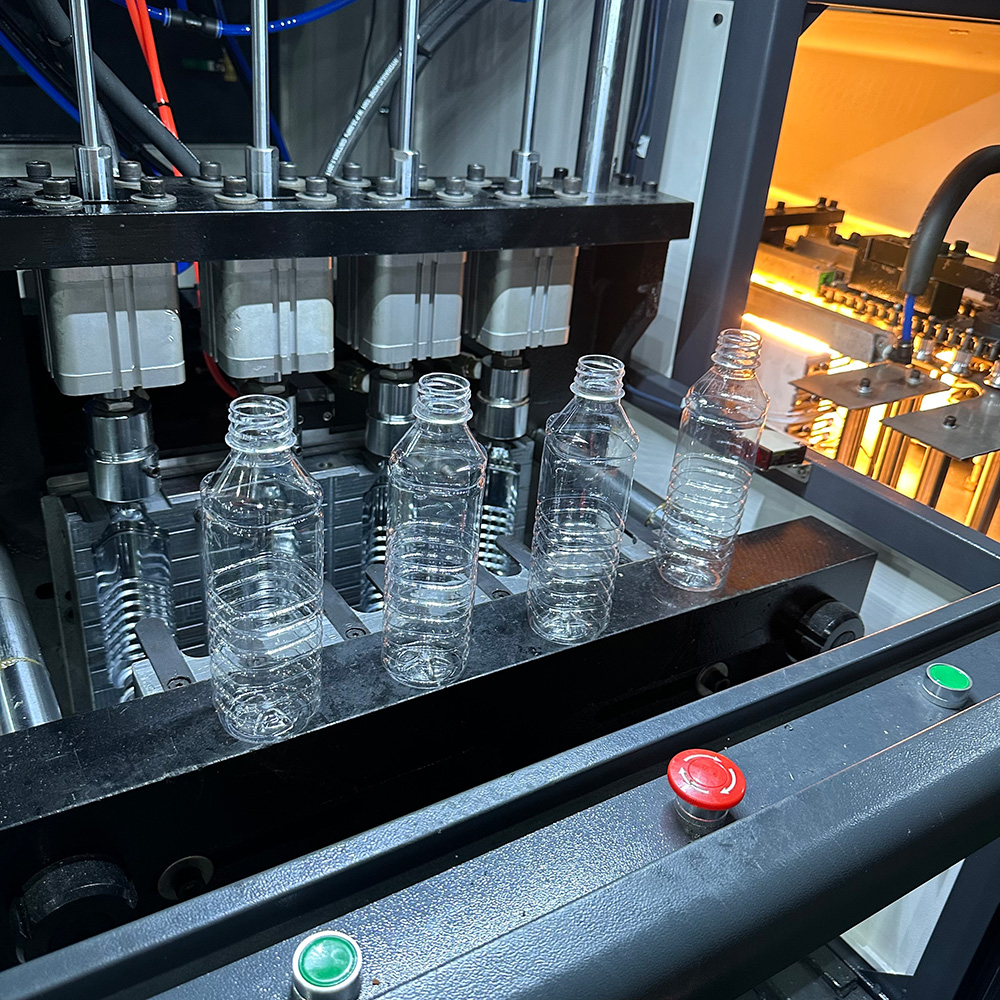
In high-speed PET bottle production, high-pressure compressed air (typically 35 to 40 bar) represents one of the single largest electrical energy costs on the plant floor. Operating at elevated pressures is traditionally used to compensate for poor preform temperature distribution, cold polymer zones, or sub-optimal mechanical stretching mechanics. A multinational carbonated soft drink (CSD) copacker running high-speed bottling lines partnered with Yushun Machine to evaluate options for lowering air compressor energy loads without sacrificing bottle top-load strength or base petaloid clarity.
As a specialized Chinese enterprise engineering high-precision PET preform molds and custom blow molding machine molds, Yushun Machine implemented a synergistic optimization plan. By re-engineering the preform infrared heating profile and deploying custom servo-guided stretch rods paired with precision blow mold tooling, the facility successfully reduced its main blowing pressure by 15% (from 36 bar down to 30.6 bar) while improving overall material distribution and container yield.
1. Project Background and Engineering Audit
Before intervention, the client's high-pressure blowing air compressors operated near maximum continuous load to overcome rigid material strain hardening during the final expansion phase. A detailed technical audit revealed two core thermodynamic and mechanical inefficiencies:
- Cold Preform Core Zones: Rapid surface heating created a steep thermal gradient between the outer preform skin (108°C) and inner core wall (86°C), requiring extreme pressure spikes to force the internal layer into cavity corner details.
- Standard Cylindrical Stretch Rod Geometry: Legacy stretch rods featured flat, non-optimized tips that concentrated axial stress on a tiny radius of the preform gate, delaying radial expansion and requiring higher air volume to form base feet.
- Cavity Micro-Venting Resistance: Insufficient mold exhaust venting created back-pressure cushions during rapid inflation, forcing the machine to run elevated P2 pressure levels to achieve crisp container engraving.
2. Engineering Solutions Implemented by Yushun Machine
Yushun Machine addressed these energy and material flow bottlenecks through a three-phase optimization approach combining thermal profiling, mechanical kinematic redesign, and mold tooling upgrades:
Thermodynamic Optimization Rule: Lowering high-pressure air demand requires reducing polymer melt yield stress. Achieving a uniform temperature profile across the inner and outer preform walls enables natural bi-axial orientation under significantly lower pneumatic forces.
A. Advanced Infrared Thermal Penetration Profiling
Yushun Machine re-configured the oven lamp setup by shifting from basic short-wave IR lamps to calibrated multi-zone quartz emitters paired with ceramic reflectors. Oven ventilation fan speeds were tuned to cool the outer preform surface while allowing radiant energy to penetrate deeply into the core wall. This narrowed the inner-to-outer wall thermal gradient to within ≤ 2.5°C, softening the resin uniformly for low-pressure deformation.
B. Custom Contoured Servo Stretch Rod Engineering
Replacing generic hemispherical stretch rod tips, Yushun Machine engineered custom multi-radius contoured stretch rod tips made from polished stainless steel. The new geometry matched the internal preform gate profile perfectly, distributing initial mechanical stretching forces broader and earlier. This pre-oriented the polymer base before the pre-blow transition, reducing the pneumatic work required during high-pressure blowing.
C. Precision CNC Venting and Conformal Base Cooling Molds
The client installed new Yushun Machine bottle blowing machine molds crafted from high-tensile 7075-T6 aluminum alloy with 3D conformal base cooling circuits and micro-channel parting-line vents (≤ 0.02 mm depth). Rapid air evacuation during preform inflation eliminated internal back-pressure resistance, allowing complete cavity replication at reduced blowing pressures.
3. Quantifiable Operational Performance and Energy Metrics
The technical modifications were validated through rigorous testing and 24/7 continuous production runs. The table below outlines key operational improvements achieved post-implementation:
| Performance Metric | Legacy Production Baseline | Yushun Machine Optimized Solution | Measured Impact |
|---|---|---|---|
| High-Blowing Pressure Setting | 36.0 bar | 30.6 bar | 15.0% Pressure Reduction |
| Compressor Electrical Power Draw | 285 kW / hr | 228 kW / hr | 20.0% kWh Energy Savings |
| Container Top-Load Strength | 242 N | 258 N | 6.6% Structural Gain |
| Base Petaloid Formation Yield | 97.1% Pass Rate | 99.9% Pass Rate | Eliminated base roll-outs |
| Blow Line Overall Efficiency (OEE) | 92.4% | 98.7% | 6.3% OEE Increase |
Yushun Machine: Turnkey Blow Molding Tooling Experts
Lowering air compressor energy consumption and optimizing blow molding efficiency requires deep integration between preform thermal management, stretch kinematics, and precision mold engineering. Relying on elevated air pressure to fix poor thermal conditioning wastes electricity and accelerates mechanical wear on mold components.
Yushun Machine delivers complete packaging tooling solutions from China, manufacturing custom PET preform molds, PET blowing molds, and bottle blowing machine molds. Engineered with premium alloys, custom conformal cooling pathways, and optimized venting structures, Yushun Machine empowers global beverage producers to lower unit production costs, reduce energy footprint, and achieve maximum operational profitability.
Reduce your factory's compressed air energy consumption and optimize blow molding performance. Contact Yushun Machine today for specialized technical audits and custom mold proposals.