
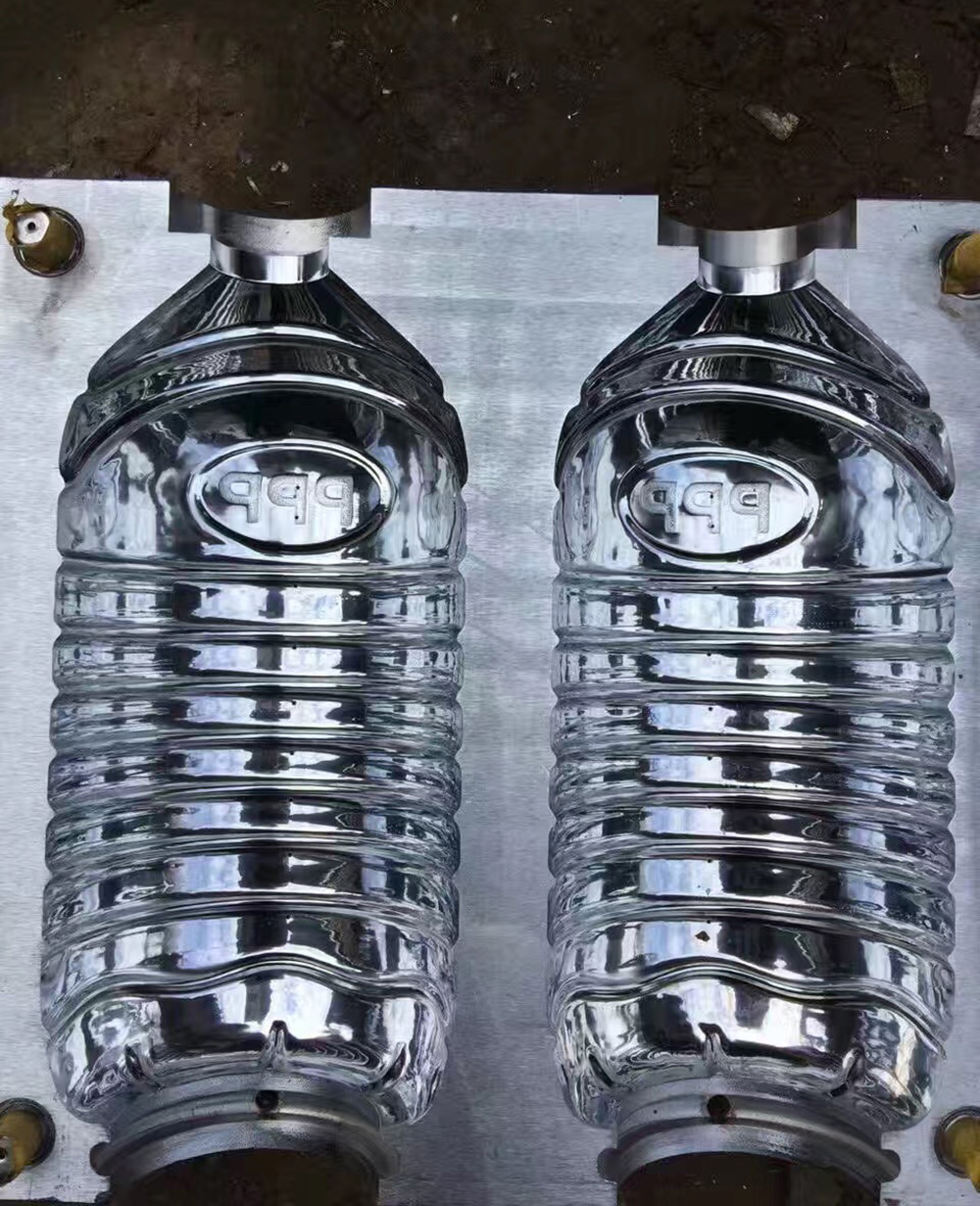
In high-speed 2-stage stretch blow molding (SBM) of PET containers, the pneumatic valve block manifold serves as the central control organ regulating pre-blow pressure (P1), high-pressure blowing (P2), air recovery (AR), and system exhaust. Operating under continuous cyclic pressures up to 40 bar and speeds exceeding 2,500 bottle cycles per hour per cavity, minor pneumatic degradation within the valve group triggers immediate quality failures. Unresolved valve anomalies lead to wall thickness eccentricity, incomplete base formation, increased air consumption, and unplanned line downtime.
As a leading Chinese engineering enterprise specializing in precision PET preform molds and custom blow molding machine molds, Yushun Machine delivers a comprehensive diagnostic white paper. This guide equips production managers and plant engineers with systematic troubleshooting methodologies for identifying root causes of pressure imbalances, mechanical valve sticking, and high-pressure seal degradation.
1. Architecture of Modern Blow Molding High-Pressure Valve Blocks
A high-performance blow molding valve assembly combines multiple high-speed directional solenoid valves mounted on a single anodized aluminum or stainless steel manifold block. Understanding the sequential operation of these internal channels is critical for accurate fault diagnosis:
- Pre-Blow Valve (P1): Controls low-pressure air (6 bar to 15 bar) to initiate radial expansion of the preform during mechanical stretching. Precise opening response time (≤ 5 ms) is essential to prevent asymmetric wall stretching.
- High-Pressure Blowing Valve (P2): Admits main forming pressure (30 bar to 40 bar) to press the expanding PET bubble against the chilled walls of bottle blowing machine molds for final detail replication.
- Air Recovery Valve (AR): Recycles residual high-pressure P2 air back into low-pressure factory loops or pre-blow lines before final exhaust, saving up to 45% in compressor energy.
- Exhaust Valve (E): Rapidly vents remaining air pressure from the blown container to atmosphere, allowing clean mold unlocking and smooth bottle ejection.
2. Diagnosing Common Valve Group Failure Modes
Diagnostic Principle: Pneumatic valve block failures directly mirror structural defects in finished bottles. Tracking wall thickness variations back to cavity-specific pressure graphs isolates mechanical valve faults from thermal preform inconsistencies.
A. Pressure Imbalance Across Cavities
Pressure imbalances manifest as fluctuating P1 or P2 peak levels across individual cavities. When Cavity #4 reaches 38 bar while Cavity #6 struggles to hit 31 bar, material distribution shifts dramatically:
- Root Cause 1: Pilot Port Clogging: Micro-particulates, desiccants, or degraded compressor oil accumulate inside pilot signal channels, restricting pilot spool movement and delaying main valve poppet actuation.
- Root Cause 2: Internal Manifold Cross-Bleed: Blown internal gaskets or micro-cracks in the valve block body allow high-pressure P2 air to leak continuously into P1 channels, disrupting low-pressure pre-expansion.
B. Valve Sticking and Response Delays
Valve sticking occurs when internal valve spools or poppets fail to shift cleanly during high-frequency actuation signals:
- Thermal Expansion & Friction Spikes: Continuous operation creates friction heating within non-lubricated valve sleeves. Inferior seal compounds swell under elevated temperatures, binding the main piston shaft.
- Varnish & Carbon Deposits: High-pressure compressed air carrying trace compressor oil oxidizes under compression heat, forming sticky varnish coatings along valve spool sliding surfaces.
C. High-Pressure Seal Leaks and Pressure Decay
Seal failure within 40 bar pneumatic valve blocks leads to constant air loss, reduced blowing pressure, and elevated compressor energy consumption:
- Dynamic O-Ring Extrusion: Standard nitrile seals lack tensile strength under 40 bar cyclic pulsing, resulting in seal nibbling, tearing, and gradual pressure bleed across exhaust ports.
- Seat Wear & Contamination Imprints: Solid particles trapped between the valve seat and soft seal element create permanent micro-grooves, causing continuous baseline leakage into the exhaust muffler.
3. Synergistic Performance: Tooling Quality and Pneumatic Balance
Eliminating pneumatic pressure drift requires combining valve maintenance with robust, high-precision mold engineering. Low-quality molds with poor parting line venting or uneven thermal profiles accelerate valve group wear by forcing machines to run at artificially elevated blowing pressures and extended cycle times.
Yushun Machine engineers custom PET blowing molds and blow molding machine molds designed to optimize pneumatic fluid dynamics:
- Micro-Vented CNC Parting Lines: Precision-milled exhaust grooves allow instantaneous air evacuation during preform expansion, preventing back-pressure pockets and reducing total P2 pressure requirements.
- Conformal Cooling Base Inserts: 3D-machined cooling channels stabilize base temperatures, enabling fast gate crystallization so exhaust valves can trigger earlier without risking base deformation.
- High-Tensile Quad-Taper Locks: Hardened S136 stainless steel construction prevents parting line flexing under 40 bar blowing pressure, protecting pneumatic seal rings from pressure spikes.
Comprehensive Troubleshooting Matrix for Blow Molding Valve Groups
The matrix below outlines systematic diagnostic steps, root causes, and corrective actions for pneumatic valve block issues:
| Observed Symptom | Pneumatic Root Cause | Impact on Blown Bottle | Corrective Action |
|---|---|---|---|
| P1 Pressure Drop Below Target | Solenoid pilot port clogged; P1 spool sticking partially open | Thick shoulder, thin base, base roll-out defect | Clean pilot orifice; replace valve spool seals with PTFE-coated rings |
| P2 Target Pressure Slow to Achieve | P2 main poppet seal worn; internal bypass leakage to exhaust | Unclear engraving, poor petaloid base formation | Replace main poppet valve seat; inspect for particulate contamination |
| Continuous Air Hissing at Muffler | Exhaust valve seal damaged or unseated by debris | Energy waste; loss of main line operating pressure | Disassemble exhaust stack; flush manifold and replace high-pressure seals |
| Irregular Cycle-to-Cycle P1 Timing | Electrical solenoid coil thermal degradation or stickiness | Cavity-to-cavity wall thickness eccentricity (> 0.08 mm) | Test solenoid actuation speed with digital scope; replace worn coil assembly |
Yushun Machine: Specialized Blow Molding Tooling Experts
Maintaining high OEE and zero-defect bottle quality requires combining precise pneumatic control with world-class mold tooling. Ignoring valve group maintenance or operating on worn mold cavity inserts leads to high scrap rates, high energy consumption, and premature equipment wear.
Yushun Machine delivers turnkey packaging tooling solutions from China, manufacturing custom PET preform molds, PET blowing molds, and bottle blowing machine molds. Constructed from premium materials with advanced conformal cooling and micro-venting technology, Yushun Machine equips global beverage producers with the stability needed to maximize line efficiency and lower unit production costs.
Optimize your plant's pneumatic system and elevate blow molding performance. Contact Yushun Machine today for specialized technical audits and custom mold proposals.