
How to Produce Recyclable PET Containers with a Blow Molding Machine?
Producing fully recyclable PET containers with a blow molding machine requires more than just choosing the right equipment—it demands a holistic approach covering material selection, machine capability, mold design, and downstream integration. As regulatory mandates require increasing recycled content (e.g., the EU requiring 25% recycled PET in beverage bottles by 2025, rising to 30% by 2030) , manufacturers must adapt their blow molding operations to produce containers that are both high-quality and genuinely recyclable. This guide outlines the essential steps and technologies for producing recyclable PET containers using modern blow molding equipment.
1. Choose the Right Base Resin and rPET Compatibility
The foundation of a recyclable PET container is the resin itself. For injection stretch blow molded containers, the APR Design Guide specifies that the base resin should have a melting point between 225°C and 255°C and an intrinsic viscosity (IV) between 0.72 and 0.90 dL/g . Higher IV values are more desirable for PET recycling .
For rPET processing: A key technical challenge is that 100% rPET is generally difficult to mold normally due to declines in IV value. The Japanese PET Bottle Recycling Guidelines note that a 50/50 blend of recycled material and virgin PET is often used for evaluation . However, advanced blow molding machines today can handle up to 100% rPET through specialized heating and conditioning systems . For example, Nissei ASB demonstrated molding 500ml water bottles in 100% rPET at 18,000 bottles per hour without compromising output or quality .
Key technical requirements for rPET-compatible blow molding:
2. Select a Blow Molding Machine Designed for Recyclable Containers
Modern blow molding machines incorporate specific features that enable production of recyclable containers:
rPET Processing Capability
Machines must be capable of handling high percentages of rPET while maintaining product quality. The Sidel EvoBlow XL, for example, can process everything from virgin PET to up to 100% recycled PET while achieving 98% overall equipment effectiveness . The Krones Contiform Bloc processes containers of up to 100% rPET and features Air Wizard Triple, a compressed air recycling system that reuses blowing air through intermediate pressure levels .
Advanced Heating Technology
rPET is more sensitive to thermal fluctuations than virgin PET, requiring precise heating control. PET Technologies' APF-Max series uses NIR Heating Technology that enables consistent bottle quality optimized for both rPET and traditional PET while reducing energy consumption by up to 30% . Similarly, Krones' infrared heating system features parabolic reflectors, adjustable base reflectors, and a maintenance-free ceramic reflector system .
Blow-Fill-Cap Integration (Bloc Systems)
For maximum sustainability, integrated bloc systems combine blow molding, filling, and capping in a single footprint. These systems require up to 30% less space than conventional line layouts, reduce energy consumption through elimination of transfer starwheels, and maintain higher hygienic standards with fewer transfer points . The ECOBLOC® ERGON system installed at Volvic (Danone Group) produces 8L rPET bottles with high sustainability .
3. Design for Recyclability: Lightweighting and Mono-Material Design
Lightweighting
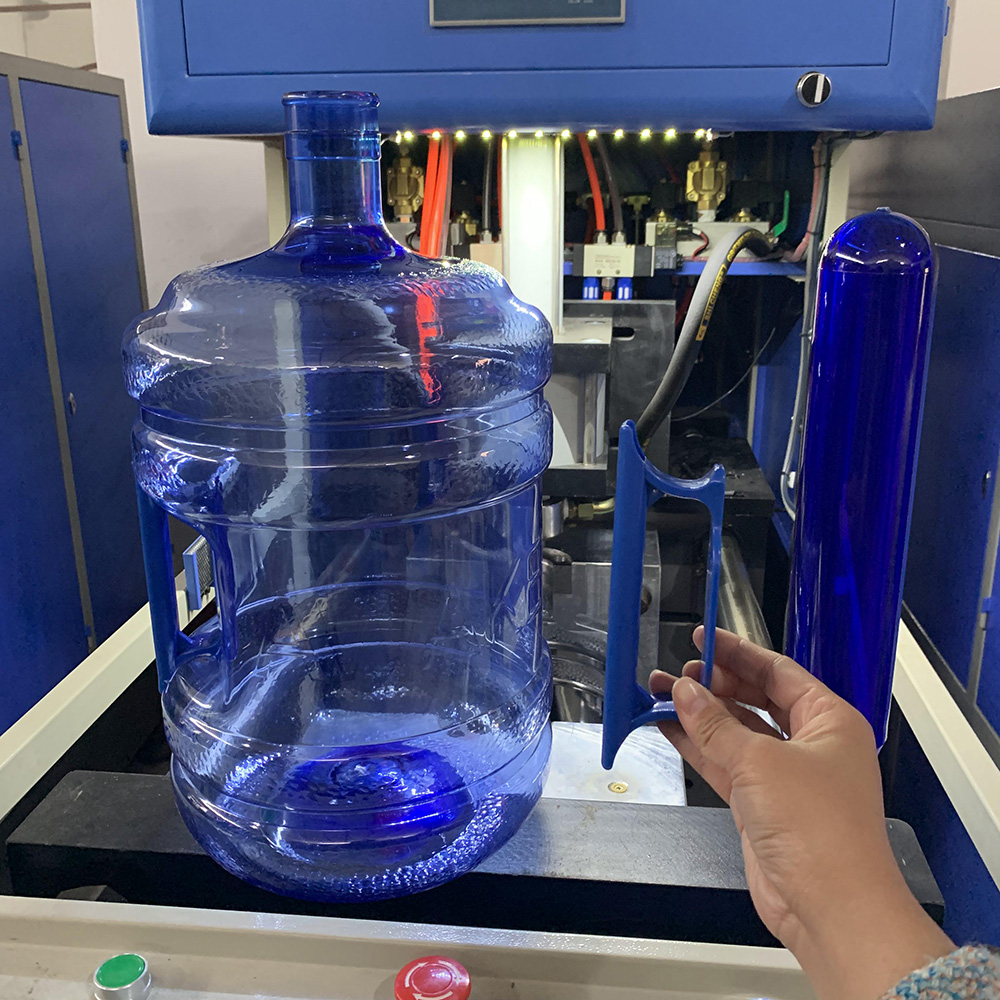
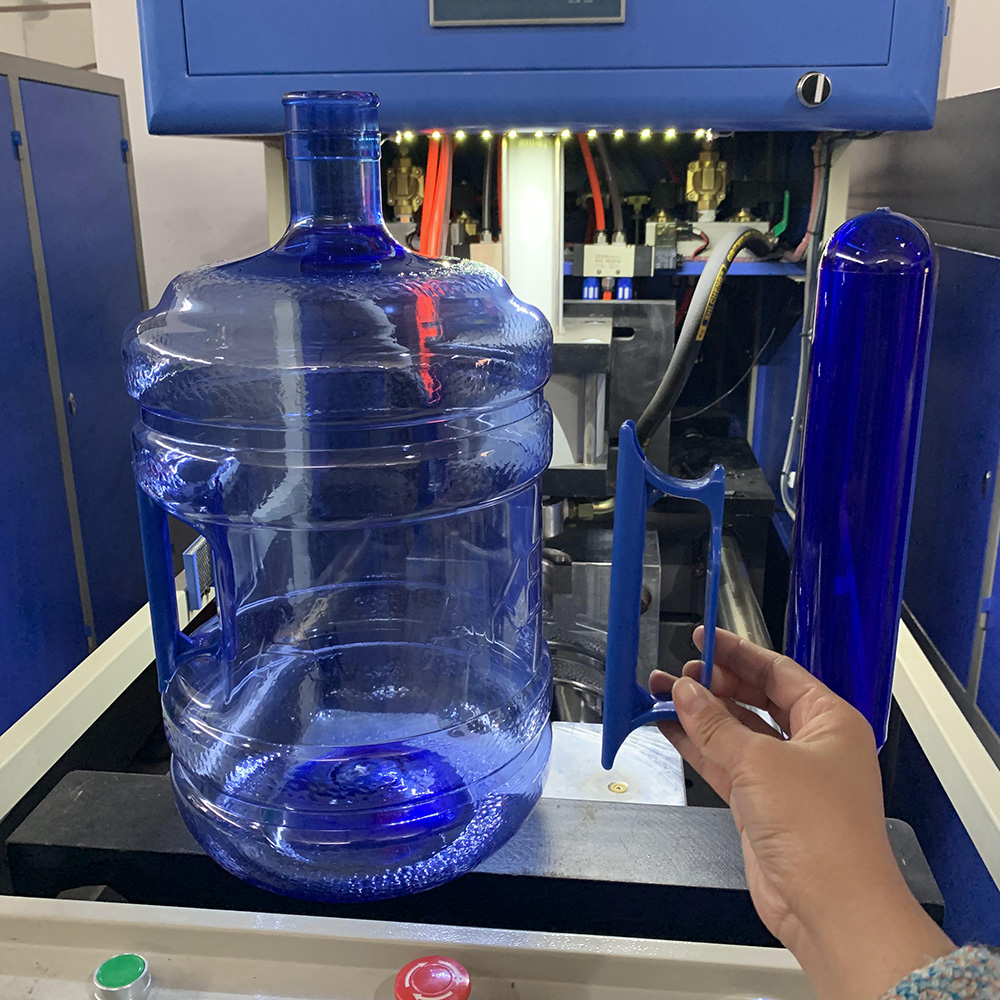
Lightweighting reduces material usage while maintaining bottle strength—contributing to sustainability and lower transportation costs. PET Technologies reports that lightweighting can reduce material consumption by up to 15% . Nissei ASB's HSB12-4N machine produces returnable PET bottles 7.5% lighter than industry standard while maintaining exceptional performance . One 1 BLOW machine is capable of producing 5, 10, 20, and up to 30L containers in both deposit-return and single-use formats .
Mono-Material Design
Designing containers that can be fully recycled requires eliminating non-PET components. Pure PET is valued for its high transparency and clarity—clear PET has the most value for recycling . SMI supports companies in designing a wide range of 100% recyclable PET containers featuring high quality and lightweight to save energy and material .
4. Implement Gentle Preform and Bottle Handling
Lightweight containers are more delicate and require gentle handling throughout the production process. Krones' Contiform Bloc features actively controlled transfer grippers with a minimal contact area between material and machine, ensuring no PET abrasion during transfer . This gentle handling preserves the material quality needed for recycling.
5. Optimize for Returnable and Refillable Formats
Returnable PET bottles represent a growing market segment with a projected CAGR of 6.1% . These bottles must withstand repeated use, requiring double-blow heat-set technology to increase material crystallinity and reduce stress . Nissei ASB's 1.5-Step double blow heat-set machine produces 2-liter returnable bottles capable of more than 25 return and refill cycles . Such bottles have about 90% lower weight and 30% lower carbon footprint than glass equivalents .
6. Ensure Quality Control for rPET Processing
When using rPET, rigorous quality testing is essential. The Japanese PET Bottle Recycling Guidelines specify evaluation criteria including IV retention (≥90%), acetaldehyde levels (≤110%), tensile yield strength (≥90%), and drop impact strength (no whitening after 1.2m drop) . Facilities should implement inline quality monitoring to catch variations early.
7. Leverage Energy-Efficient and Smart Technologies
Producing recyclable containers should be done with minimum environmental impact. Modern blow molding machines feature:
Servo drives throughout all applications for energy efficiency and low wear
Remote connectivity for real-time monitoring and simplified maintenance
Summary Checklist for Producing Recyclable PET Containers
Conclusion
Producing recyclable PET containers with a blow molding machine requires a comprehensive approach combining material selection, machine capability, design optimization, and quality control. With modern servo-driven blow molding machines equipped for rPET processing, advanced heating systems, and gentle handling technology, manufacturers can produce containers that are both high-quality and fully recyclable, meeting both regulatory requirements and consumer demand for sustainable packaging.
YUSHUN is committed to providing blow molding solutions that support the production of recyclable, sustainable PET containers. Contact us today to learn how our machines can help you achieve your sustainability goals.