
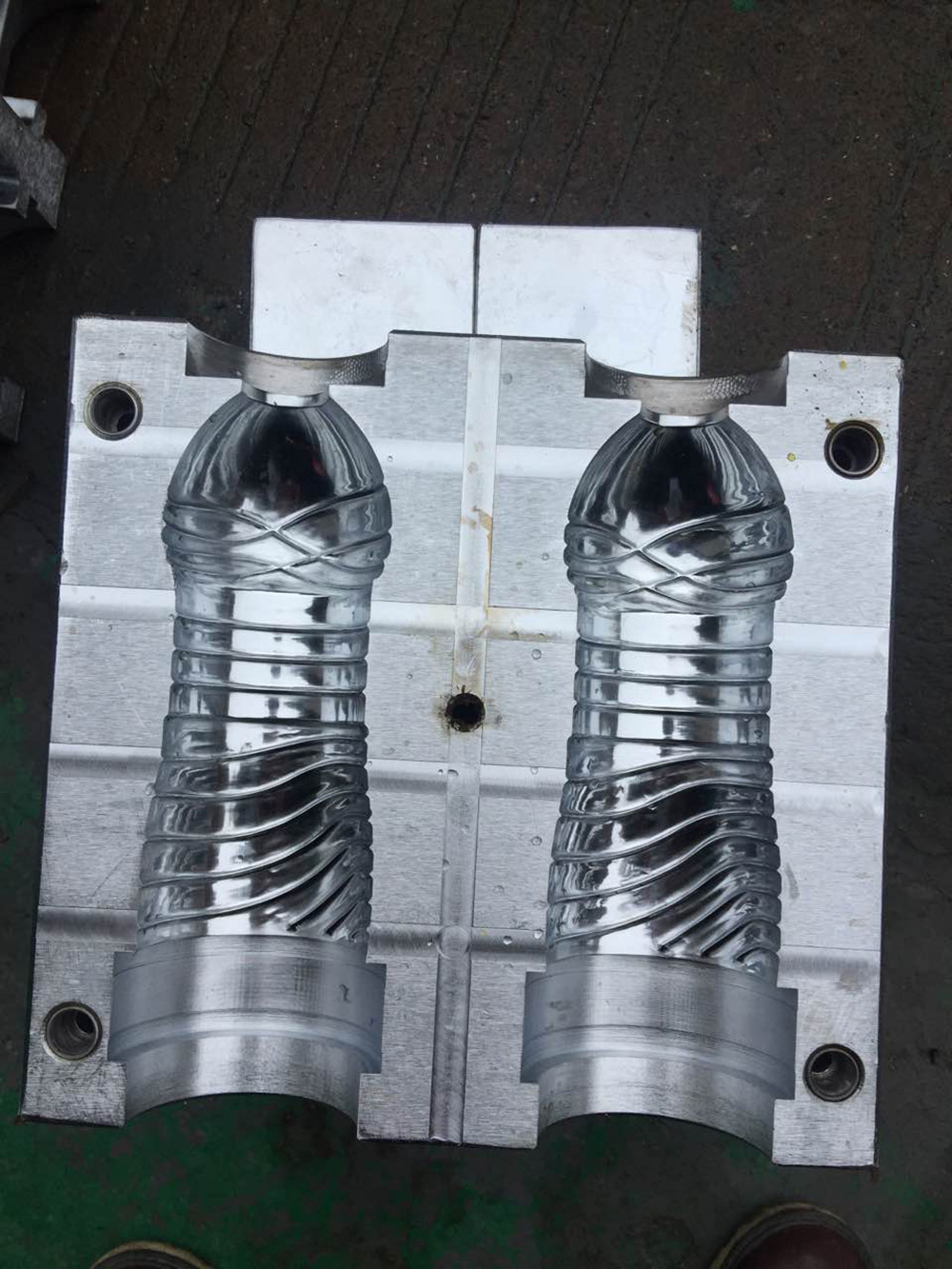
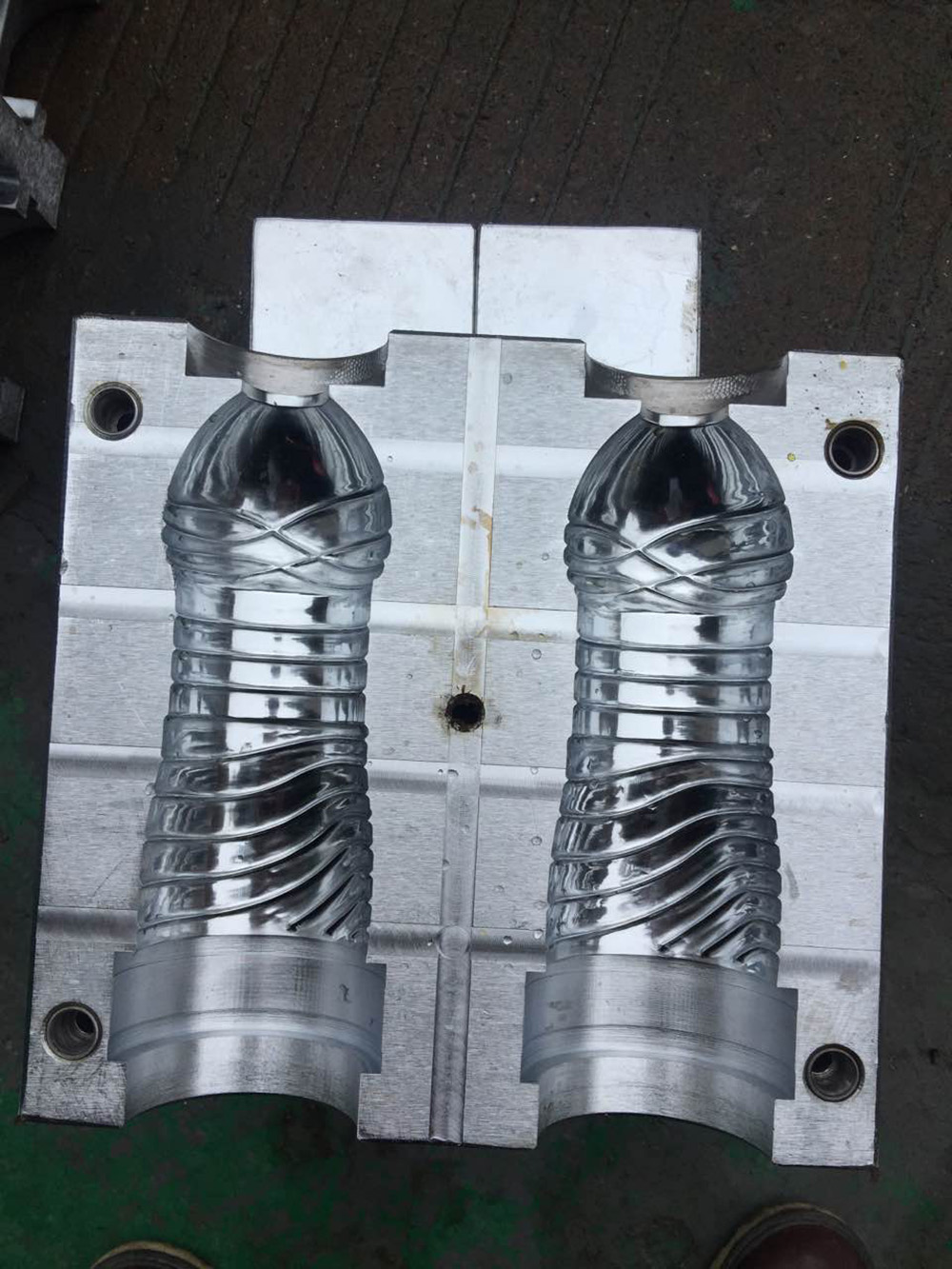
The global push for sustainable packaging has accelerated the trend toward lightweighting PET bottles. As bottles become lighter and use less material, the preforms from which they are blown must be redesigned, and the blow molding machines that process them must meet new technical requirements. This shift presents both opportunities and challenges for manufacturers.
Why Lightweight Preforms Change the Game
Lightweight preforms are essential for producing bottles that use less PET, reduce carbon footprints, and lower material costs. However, reducing preform weight without compromising bottle quality requires a fundamental rethinking of design and processing. As industry research shows, the traditional challenge of lightweighting has been that with less material in the preform, the ratio of preform length to wall thickness increases significantly, leading to issues in both injection molding and stretch-blow stages . When this ratio exceeds approximately 50, manufacturers typically face difficulties such as incomplete cavity filling, the need for higher injection pressure, and increased risk of premature mold wear .
New Requirements for Blow Molding Machines
1. Enhanced Heating Precision and Control
Lightweight preforms are more sensitive to temperature fluctuations because they have less material to absorb and distribute heat. Traditional halogen lamp heating systems, which use broad heating zones, struggle to achieve the precise thermal profiles required for thin-walled preforms . This has led to the emergence of new heating technologies that offer far greater precision.
Laser heating technology, for example, uses up to 36 individual heating lines compared to the typical 8 heating zones of halogen systems . This level of control allows for the creation of localized "reinforcement rings" where material is slightly thicker to maintain bottle strength while minimizing overall weight . Such precision is particularly valuable for processing lightweight preforms and recycled PET, which is more sensitive to processing conditions .
Leading blow molding machine manufacturers have responded with enhanced heating tunnel designs that include features such as small oven chains, adjustable base reflectors, and longer infrared emitters with reduced dead spaces between heaters . These improvements can reduce heating energy consumption by up to 5% and provide improved lightweighting potential through targeted heating of preforms directly below the support ledge .
2. Gentle Preform Handling Systems
Lightweight preforms are physically more delicate than standard preforms. As the wall thickness decreases, the preform becomes more susceptible to deformation during transfer. This has led to the development of specialized handling systems.
Air-assisted preform feed rails are now available as an option on advanced machines, specifically designed for lightweight preforms . These systems reduce mechanical contact and provide a gentle infeed. Soft-tilting preform tippers are also offered to ensure gentle handling during the transfer process . The precision transfer of lightweight preforms is further supported by actively controlled transfer grippers and a reduced number of transfer points .
3. Optimized Stretch Ratios
Lightweighting is not simply about making the preform thinner; it requires careful engineering of the stretch ratio—the relationship between the preform dimensions and the final bottle dimensions. For a lightweight preform, the overall stretch ratio (the product of hoop and axial stretch ratios) must fall within an optimal range to achieve the required bottle strength and clarity.
Research indicates that for lightweight PET containers, the overall stretch ratio should be between approximately 12 and 16, with a hoop stretch ratio of 5.6 to 6.5 and an axial stretch ratio of 2.4 to 2.7 . These ratios allow the material to biaxially orient properly during stretching, which is essential for the mechanical strength and clarity of the final bottle. Some manufacturers have found that reducing the preform length rather than wall thickness is a more effective approach to weight reduction, as it avoids problematic L/t ratios while enabling stretch ratios of 10.5 to 13.6 .
4. Improved Cooling and Cycle Efficiency
The reduced wall thickness of lightweight preforms and bottles changes the cooling dynamics during the blow molding process. With less material to cool, cycle times can potentially be reduced, but this requires precise control of the cooling process to avoid defects.
The development of minting technology has demonstrated that preform base shaping can significantly improve lightweighting outcomes. By reshaping the preform base directly after injection molding using the first heat, material distribution is optimized, and the subsequent blow molding process requires less energy and shorter cycle times . Industry case studies have shown that such technology can save up to 4 grams per 5-liter bottle (a 6.7% weight reduction) with an ROI of less than six months .
The Impact of rPET on Lightweight Preform Processing
The increasing use of recycled PET adds another layer of complexity to lightweight preform processing. rPET exhibits greater thermal variability than virgin PET, making precise heating control even more critical . Laser heating technology, with its ability to compensate for fluctuations more quickly and maintain consistent results regardless of ambient conditions, is particularly well-suited for processing lightweight preforms made from rPET .
Conclusion
Lightweight preforms are reshaping blow molding machine design and processing requirements. From enhanced heating precision and gentle handling systems to optimized stretch ratios and improved cooling, modern blow molding machines must be engineered to meet these new demands. YUSHUN is committed to providing blow molding solutions that address the evolving requirements of lightweight preform processing, enabling manufacturers to achieve their sustainability and cost-reduction goals.