
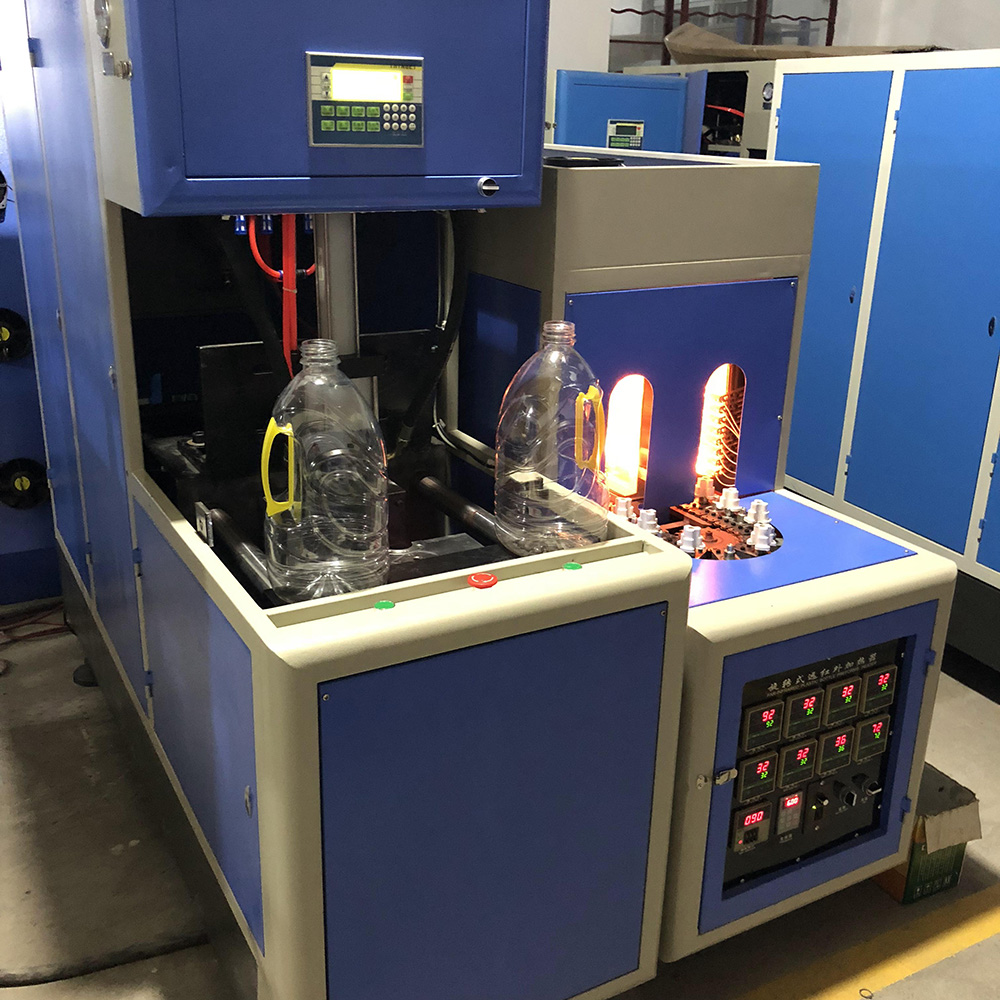
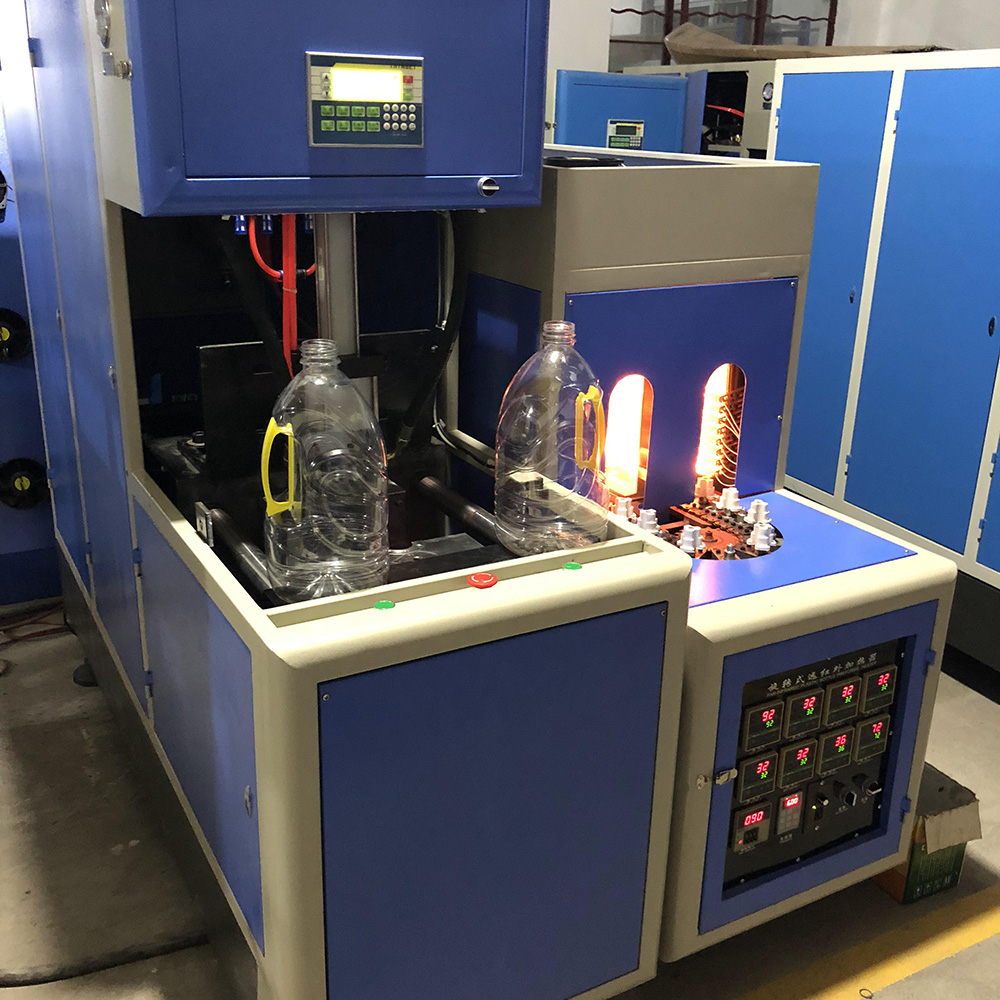
If you're entering the plastic bottle manufacturing industry, understanding the differences between blow molding and injection blow molding is essential for making the right equipment investment. While both processes produce hollow plastic containers, they serve distinctly different applications, materials, and production requirements. This guide from YUSHUN will help you navigate these differences and select the right machine for your specific needs.
Understanding the Two Processes
What Is Blow Molding?
Blow molding is a manufacturing process that creates hollow plastic products by inflating a heated plastic tube—called a parison—inside a mold cavity using compressed air. The process is similar to glassblowing, where air pressure shapes the material against the mold walls. Once cooled and solidified, the part is ejected.
Typical output: High-volume production of bottles, containers, automotive components, and industrial parts
What Is Injection Blow Molding?
Injection blow molding combines injection molding and blow molding into a single process. The process begins with injection molding a preform—a test-tube shaped piece with a finished neck and threads. This preform is then transferred to a blow mold, reheated, and inflated with compressed air to form the final shape.
Typical output: Small, precise, high-quality bottles for pharmaceutical, medical, and cosmetic applications
Key Differences at a Glance
Detailed Comparison
Production Capabilities
Blow molding (typically extrusion blow molding) is known for its versatility. It can produce containers ranging from as small as 1ml up to massive 3000L tanks. The process is particularly well-suited for high-density polyethylene (HDPE)—nearly half of all HDPE produced goes into blow molding applications.
Injection blow molding, conversely, is limited to smaller volumes, typically 5-1000ml. This makes it ideal for small, delicate containers like eye drop bottles, pharmaceutical vials, and glue bottles.
Precision and Quality
Injection blow molding delivers superior precision, especially in the neck finish area—the part where the cap seals. This process produces bottles with no parting lines, better wall thickness distribution, and higher bottom intensity. The neck and threads are formed during the injection stage, ensuring consistent dimensions critical for secure capping.
Blow molding, while cost-effective, produces bottles with visible seam lines where the mold halves meet and often a pinch-off mark at the bottom. Wall thickness control is more challenging, making it less suitable for applications requiring precise material distribution.
Tooling and Costs
Blow molding generally has lower tooling costs because the process uses simpler dies and molds. The molds don't require the complex cooling channels and high precision needed for injection blow molding. However, the process produces more scrap—trimming is required to remove excess material at the top and bottom of each product.
Injection blow molding requires more expensive tooling due to the initial injection mold stage and the need for high precision. However, the higher quality and reduced scrap can justify the investment for applications requiring tight tolerances and excellent finish.
Speed and Efficiency
Both processes are capable of high production speeds. Blow molding can achieve high-volume production, especially with multi-cavity molds or wheel-type continuous machines. The ability to use multiple heads in parallel significantly boosts output. Injection blow molding also offers high efficiency, particularly for smaller parts where cycle times can be optimized.
Selection Guide: Which Machine Is Right for You?
Choose Blow Molding When…
You need large containers. If your products exceed 1 liter (especially over 5-20 liters), extrusion blow molding is likely your only viable option. This includes 5-gallon water bottles, industrial drums, fuel tanks, and automotive ducts.
You prioritize cost over precision. When per-unit cost is the primary concern and slight variations in wall thickness or visible seams are acceptable, blow molding offers the most economical solution.
You work with HDPE, PP, or PVC. While both processes handle these materials, blow molding is particularly well-suited for HDPE—the workhorse of large container production.
You need high production volume. For large-scale manufacturing of simple containers, blow molding's lower tooling cost and multi-cavity capabilities make it ideal.
Choose Injection Blow Molding When…
Precision is critical. For applications like pharmaceutical vials, medical containers, or cosmetic bottles where neck finish accuracy and dimensional consistency are paramount.
You need no visible seams. If aesthetics matter—no parting lines or pinch-off marks—injection blow molding delivers a smoother, more polished product.
You produce small containers. For bottles under 1 liter, especially very small containers like 5-100ml, injection blow molding offers superior quality and precision.
You work with PET. While PET can be processed by both methods, injection blow molding (particularly stretch blow molding) is the preferred process for clear, lightweight PET bottles for beverages.
You need consistent neck finish. If you require perfect thread dimensions for reliable capping (especially for pharmaceutical or food applications), injection blow molding's injection-molded neck ensures accuracy.
The YUSHUN Advantage
YUSHUN is a professional manufacturer of blow molding machines, offering a wide range of equipment to meet diverse production needs. Whether you require a semi-automatic machine for small-scale production or a fully automatic high-speed system for large-volume manufacturing, YUSHUN provides reliable, cost-effective solutions tailored to your specific requirements.
Our machines are designed with energy efficiency, ease of operation, and durability in mind, backed by comprehensive after-sales support and global service. When you choose YUSHUN, you're not just investing in a machine—you're gaining a long-term partner committed to your success.
Contact YUSHUN today for expert guidance on selecting the right blow molding or injection blow molding machine for your application.