
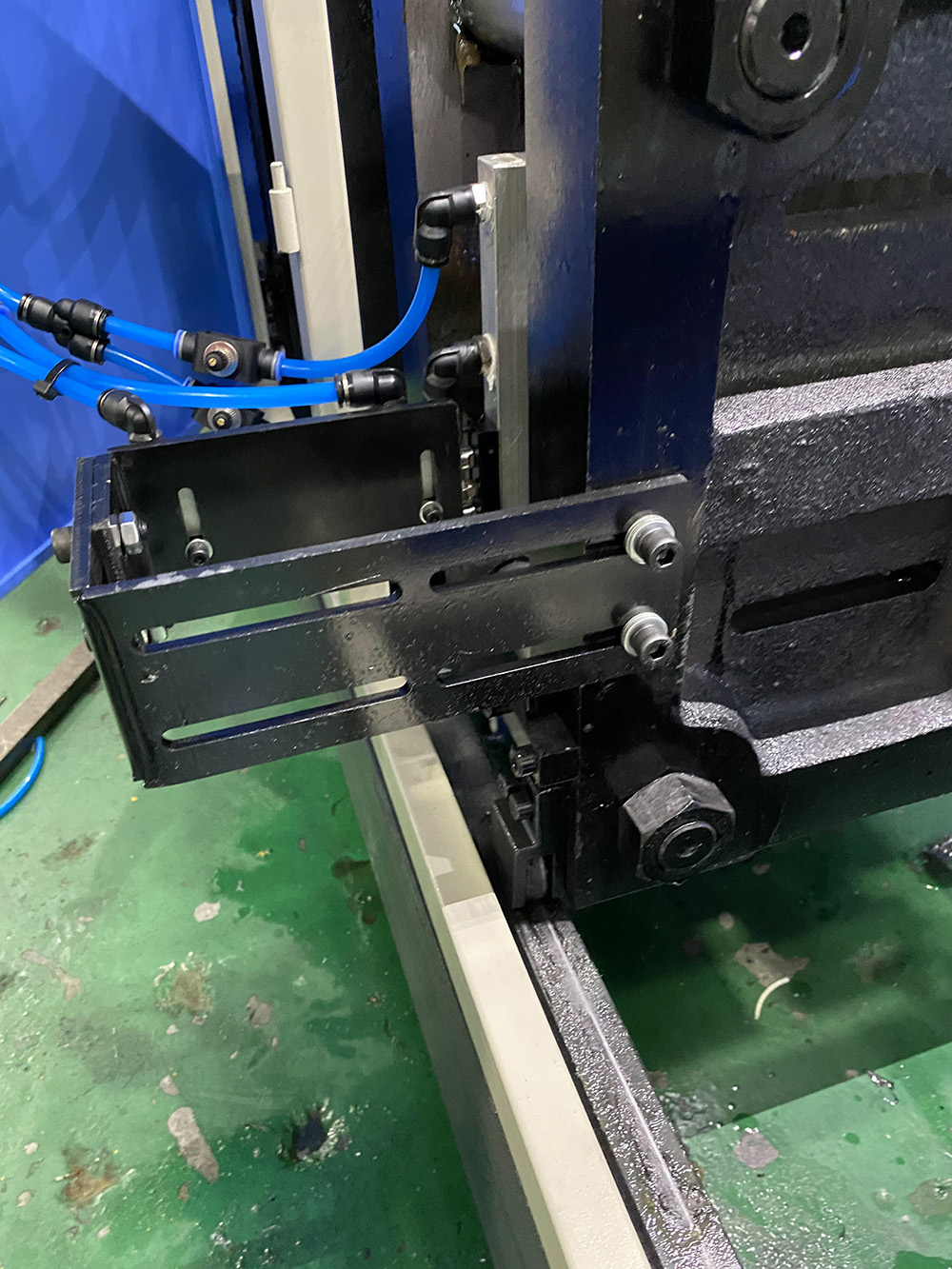
PET blow molding machines are essential equipment for producing plastic bottles and containers across the beverage, food, cosmetic, and pharmaceutical industries . However, like any complex machinery, they can encounter technical issues that affect output quality and production efficiency. Identifying and resolving these problems quickly is crucial for minimizing downtime and maintaining consistent product quality. This troubleshooting guide from YUSHUN covers the most common PET blow molding machine problems and their practical solutions.
1. Uneven Bottle Wall Thickness
Symptoms
Bottles show inconsistent material distribution, with some areas thinner than others. This affects bottle strength and appearance .
Causes
Off-center stretch rod position
Asymmetrical or mismatched blowing holes
Low stretching or expansion ratios
Preform not rotating properly in the heating furnace
Solutions
Adjust the stretch rod position to ensure it is centered in the preform
Check and adjust blowing hole positions and diameters
Increase the inflation or stretching ratio
Verify the preform rotation mechanism in the heating oven
Use higher quality PET preforms with consistent wall thickness
2. Poor Bottle Transparency (Haze and Pearlescence)
Symptoms
Bottles appear cloudy, milky, or have a pearl-like sheen instead of being crystal clear. This significantly impacts product appeal and marketability .
Causes
Thermostat temperature too high or too low
Compressed air contains moisture
Excessive heating time
Uneven preform wall thickness
Poor quality or insufficiently dried PET preforms
Solutions
Maintain precise control over heating temperatures to prevent overheating or underheating
Decrease heating time and optimize the heating profile
Use higher quality, transparent PET preforms and ensure raw material dryness
Implement a controlled cooling process to avoid crystallization
3. Neck Finish Deformation (Bent Neck or Swollen Threads)
Symptoms
The neck is tilted or bent to one side, or threads show swelling. The support ring below the thread is deformed and not perpendicular to the bottle body. This defect seriously affects filling and capping operations .
Causes
Excessive cooling water temperature in the heater
Inadequate cooling water flow
Improper cooling plate positioning
Excessive temperature in the heating zone near the neck
Solutions
Check and adjust cooling water temperature and flow rate
Ensure proper cooling plate distance (about 1.5 mm from preform front/back; 2 mm above the preform support ring plane)
Reduce heating percentage in Zone 1
Improve ventilation in the heater area
Ensure 0.25 mm clearance between the support ring and mold top groove
4. Incomplete Bottom Formation (Concave Foot)
Symptoms
Poor bottom contour, especially concave bottom corners. While this does not significantly affect filling, it impacts bottle stability .
Causes
Insufficient high-pressure air supply
Low temperature in the bottom corner area
High-pressure blow time too short or pre-blow time too long
Pre-blow air intake occurring too late
Solutions
Check the high-pressure filter on the mold side for blockages
Clear vent holes in the bottom mold
Increase heating percentage or add lamps in the bottom corner area
5. Bottle Bottom Cracking or Bursting
Symptoms
Fine cracks appear in the bottom area, often passing through or near the injection point. In severe cases, bottles may burst during or after filling .
Causes
Insufficient preform bottom temperature
Low IV (intrinsic viscosity) value causing expansion after filling
Bottom too thin due to improper stretching
Foreign material or excessive alkali concentration in chain lubricant
Solutions
Check clearance between stretch rod and mold bottom (should be about 2/3 of preform bottom thickness)
Increase heating percentage or add lamps in the bottom zone
Optimize blow timing to ensure proper material distribution
Monitor and maintain proper IV values for the PET resin
6. Inconsistent Heating and Preform Temperature
Symptoms
Bottles show localized defects such as shoulder collapse, warping, or uneven material distribution .
Causes
Localized overheating or underheating
Improper lamp power distribution
Incorrect preform rotation
Solutions
Adjust lamp power and placement to ensure even heating, especially at shoulders and bottom of the preform
If whitening or blue tint appears, reduce shoulder heating and extend preheat time
For bottom sink or navel effect, lower bottom lamp intensity or increase base cooling
Consider installing infrared sensors for real-time temperature feedback
7. Off-Center Nozzle at Bottle Bottom
Symptoms
The injection point or gate is not centered in the bottle base, affecting stability and appearance .
Causes
Premature blowing before stretch rod fully descends
Incomplete stretch rod descent
Misaligned stretch rod
Uneven preform injection density or wall thickness
Solutions
Adjust magnetic pole switch position
Realign the stretch rod
Use higher quality PET preforms
8. Blowing Pressure and Timing Issues
Symptoms
Poor bottom expansion, wrinkled shoulders, bottle distortion, or incomplete bottle formation .
Causes
Low air pressure preventing full expansion
Incorrect pre-blow timing
Solutions
Set blow pressure between 20 and 40 bar depending on bottle volume
Slightly delay pre-blow to allow shoulder formation before full expansion
Fine-tune pre-blow pressure to achieve balanced stretching across shoulder and base
Use pressure sensors or flow meters to monitor response in real time
9. Cooling System Problems
Symptoms
Bottle shrinkage, neck deformation, low transparency, or inconsistent quality between mold cavities .
Causes
High cooling water temperature
Poor cooling flow or scale buildup in channels
Solutions
Maintain chiller outlet temperature at 7 to 12 degrees Celsius
Monitor flow with flow meters
Clean filters and check mold channels regularly to ensure unobstructed flow
10. Stretch Rod Malfunctions
Symptoms
Stretch rod fails to descend properly or does not return to home position .
Causes
Incorrect magnetic pole switch position
Excessive stretching rod speed
Worn cylinder seals
Solutions
Reduce stretching rod speed
Clean solenoid valves and replace worn seals or broken coils
Preventive Maintenance Tips
To minimize downtime and maintain consistent bottle quality:
Regularly calibrate heating equipment to ensure optimal temperature settings
Clean cooling system filters and check mold channels regularly
Inspect and replace worn components such as seals, guides, and bearings
Monitor compressed air quality to ensure it is dry and contaminant-free
Establish a preventive maintenance schedule based on production volume
Train operators to recognize early warning signs of common issues
When to Contact YUSHUN for Support
While many troubleshooting issues can be resolved in-house using this guide, some situations require professional assistance. Contact YUSHUN technical support when:
Problems persist after applying standard solutions
Complex mechanical or electrical failures occur
You need assistance with mold alignment or machine calibration
Spare parts or replacement components are needed
YUSHUN provides comprehensive technical support, including installation guidance, operator training, and ongoing service to keep your blow molding line running efficiently.