
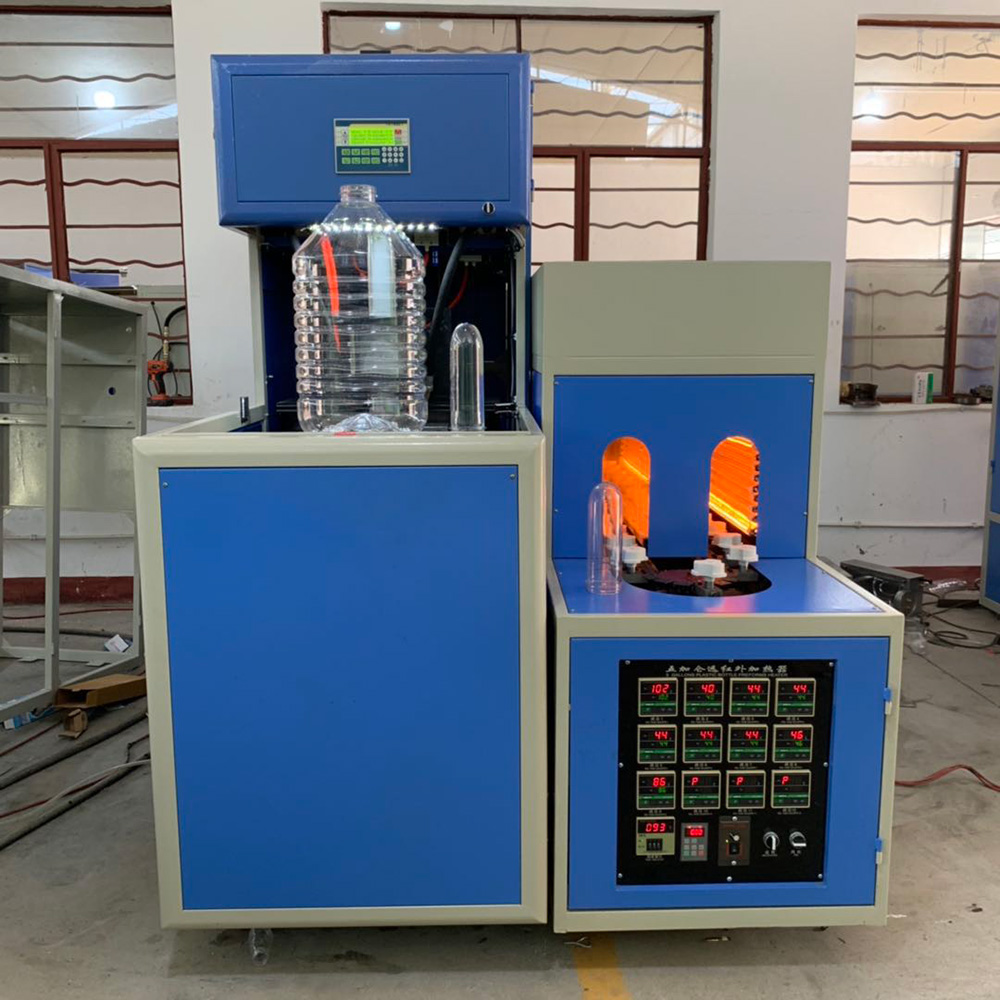
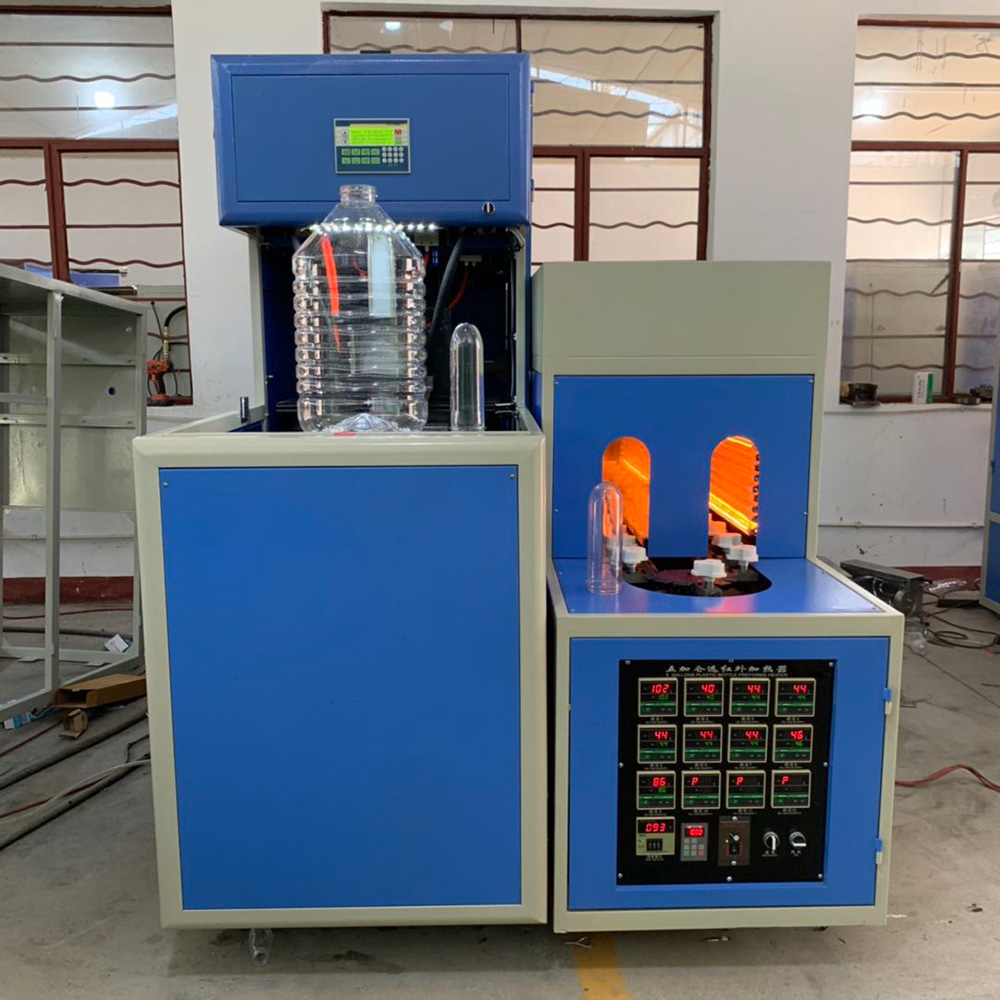
Heating lamps are among the most critical and frequently replaced components in PET blow molding machines. They operate under extreme conditions – high temperatures, rapid cycling, and continuous operation – making them susceptible to premature failure. For manufacturers running multiple shifts, lamp replacement costs and associated downtime can represent a significant operating expense. This guide from YUSHUN provides practical strategies to extend heating lamp service life, reduce replacement frequency, and maintain consistent bottle quality.
Why Heating Lamp Life Matters
Heating lamps are not just an expense; they directly affect your production efficiency and product quality. Consider the impact:
Replacement cost – Quality infrared lamps cost $20-50 each, and machines may use 20-100 lamps
Labor cost – Replacing lamps requires production stoppage and technician time
Quality risk – Aging lamps produce inconsistent heat, leading to bottle defects
Production loss – Unplanned lamp failures cause unexpected downtime
Extending lamp life from 4,000 hours to 6,000 hours represents a 33% reduction in lamp costs and replacement labor.
Typical Lamp Lifespan Expectations
| Lamp Type | Typical Rated Life | Expected Service Life with Good Practices |
|---|---|---|
| Standard infrared lamps | 3,000-5,000 hours | 4,000-6,000 hours |
| High-quality long-life lamps | 5,000-8,000 hours | 6,000-10,000 hours |
| Gold-coated reflector lamps | 4,000-6,000 hours | 5,000-8,000 hours |
Actual life varies significantly based on operating conditions and maintenance practices.
1. Control Lamp Power Ramp-Up
The Problem with Cold Starts
When a heating oven is started from cold, lamps initially draw higher current as they warm up. This inrush current creates thermal shock that stresses lamp filaments and connectors. Repeated cold starts significantly reduce lamp life.
Best Practice
Use soft-start controllers that gradually increase power to lamps
Pre-heat ovens before production – Run at reduced power for 5-10 minutes before full operation
Avoid frequent on/off cycling – Leave ovens at standby power during short breaks (under 2 hours)
Stage lamp activation – Turn on lamps in sequence rather than simultaneously
Expected Improvement
Proper power ramp-up can extend lamp life by 20-30%.
2. Maintain Proper Cooling Airflow
Why Cooling Matters for Lamp Life
Infrared lamps are designed to operate at specific temperatures. Excessive heat trapped in the oven accelerates filament degradation and seal failure. Adequate cooling airflow removes excess heat, keeping lamps within their optimal operating range.
Common Problems
Blocked cooling vents from dust buildup
Insufficient airflow due to fan issues or duct blockages
Uneven cooling causing hot spots on lamps
Recirculating hot air rather than exhausting it
Best Practice
Clean cooling vents and filters weekly
Verify airflow volume using an anemometer (compare to specifications)
Check fan operation daily – listen for unusual noises or vibration
Ensure exhaust paths are clear – hot air must exit the oven
Monitor oven ambient temperature – should not exceed manufacturer specifications
Expected Improvement
Proper cooling maintenance can extend lamp life by 15-25%.
3. Prevent Lamp Surface Contamination
The Problem with Contamination
Any material that deposits on lamp surfaces affects heat output and creates hot spots. Common contaminants include:
Dust and airborne particles
Polymer residue from preform contact or outgassing
Oil mist from nearby equipment
Moisture from cooling system leaks
Why Contamination Shortens Lamp Life
Contaminants absorb heat unevenly, creating localized hot spots on the lamp envelope. These hot spots cause differential expansion, leading to glass cracking or seal failure.
Best Practice
Maintain positive air pressure inside the oven enclosure
Install pre-filters on cooling air intakes
Clean lamp surfaces gently using appropriate methods (consult lamp manufacturer)
Address any sources of oil mist or vapor in the production area
Cover ovens when not in use for extended periods
Expected Improvement
Preventing contamination can extend lamp life by 10-20%.
4. Ensure Stable Electrical Supply
The Impact of Power Quality
Infrared lamps are sensitive to electrical fluctuations. Common power quality issues include:
Voltage spikes from nearby equipment starting/stopping
Voltage sags during peak demand periods
Harmonic distortion from variable frequency drives
Unbalanced phases in three-phase systems
Best Practice
Install line reactors or filters on oven power supply
Separate oven power from other heavy loads (compressors, chillers)
Monitor supply voltage – should remain within ±5% of rated voltage
Consider voltage regulation for areas with unstable grid power
Use properly sized conductors and connections – loose connections cause voltage drop
Expected Improvement
Stable electrical supply can extend lamp life by 10-15%.
5. Optimize Lamp Configuration and Spacing
The Importance of Proper Setup
Lamps that are too close to each other or to oven walls experience higher operating temperatures. Lamps that are too far apart may be over-driven to compensate, reducing life.
Best Practice
Follow manufacturer spacing recommendations for lamp configuration
Ensure proper reflector clearance – lamps should not contact reflectors
Replace complete zones – mixing old and new lamps causes uneven loading
Use correct lamp type – do not substitute different wattage or wavelength lamps
Document configuration for each bottle type to ensure correct setup
Expected Improvement
Proper lamp configuration can extend life by 10-15%.
6. Reduce On/Off Cycling Frequency
Why Cycling Reduces Life
Each time a lamp is turned on and off, it undergoes thermal expansion and contraction. This cycling stresses the filament, glass envelope, and electrical connections. Reducing cycles extends life.
Best Practice
Use standby power mode during breaks rather than turning ovens off
Schedule production runs to minimize oven startups
Consider reduced power operation during extended setup or mold changes
Avoid using ovens for intermittent or very short production runs if possible
Expected Improvement
Reducing on/off cycles can extend lamp life by 15-25% for operations with frequent breaks.
7. Implement Regular Inspection and Maintenance
What to Look For
Regular visual inspection catches problems before they cause lamp failure:
Blackening or dark spots on lamp glass – indicates end of life
Cracks or chips in glass – imminent failure risk
Discoloration of connectors – overheating or poor connection
Uneven glow across lamp length – partial failure or contamination
Reflector condition – degraded reflectors force lamps to work harder
Inspection Frequency
| Operation Type | Inspection Frequency |
|---|---|
| 24/7 continuous | Weekly |
| Two shifts | Bi-weekly |
| Single shift | Monthly |
| Intermittent | Before each production run |
Best Practice
Create an inspection checklist and assign responsibility
Log findings to track deterioration over time
Replace lamps proactively based on condition, not only when failed
Clean reflectors during lamp replacement to maximize efficiency
Expected Improvement
Regular inspection and proactive replacement can extend effective lamp life by 10-15% by preventing stress-related failures.
8. Select Quality Lamps
The True Cost of Cheap Lamps
Lower-priced lamps often have:
Shorter rated life – may fail in 2,000-3,000 hours
Wider performance variation – inconsistent heat output
Poorer construction – seals and connectors fail prematurely
No warranty or technical support
Life Cycle Cost Comparison
| Factor | Economy Lamp | Quality Lamp |
|---|---|---|
| Purchase price | $15 | $35 |
| Typical life | 3,000 hours | 6,000 hours |
| Cost per 1,000 hours | $5.00 | $5.83 |
| Replacement labor (2 hours @ $50) | $33.33 per 1,000 hours | $16.67 per 1,000 hours |
| Total cost per 1,000 hours | $38.33 | $22.50 |
Quality lamps are more economical despite higher initial price.
Best Practice
Purchase from reputable manufacturers with published specifications
Request life test data from suppliers
Track lamp life performance to validate supplier claims
Avoid "no-name" or generic lamps – performance is unpredictable
Expected Improvement
Quality lamps typically provide 40-100% longer life than economy alternatives.
9. Control Preform Proximity
The Problem of Preform Contact
Preforms that contact or come too close to lamps cause several problems:
Localized lamp cooling where preform blocks radiation
Contamination from preform residue on lamps
Uneven lamp temperature leading to glass stress
Best Practice
Maintain proper preform-to-lamp clearance – typically 10-20mm minimum
Check preform straightness – bent preforms may contact lamps
Verify preform rotation – ensures even distance around circumference
Adjust preform path if contact is observed
Expected Improvement
Preventing preform contact can extend lamp life by 10-20% in affected positions.
10. Train Operators on Lamp Care
Common Operator Errors That Reduce Lamp Life
Turning ovens on/off frequently for short breaks
Ignoring warning signs of failing lamps
Using incorrect lamp types for replacement
Handling lamps with bare hands – oil from skin creates hot spots
Overtightening lamp connectors
Best Practice
Include lamp care in operator training
Post quick-reference guides at each machine
Review lamp-related downtime in shift meetings
Recognize operators who achieve extended lamp life
Document procedures for lamp handling and replacement
Expected Improvement
Proper operator training can extend lamp life by 10-15%.
Expected Results Summary
| Practice | Expected Life Extension |
|---|---|
| Power ramp-up control | 20-30% |
| Cooling airflow maintenance | 15-25% |
| Contamination prevention | 10-20% |
| Electrical supply quality | 10-15% |
| Proper configuration | 10-15% |
| Reduced cycling | 15-25% |
| Regular inspection | 10-15% |
| Quality lamp selection | 40-100% |
| Preform clearance | 10-20% |
| Operator training | 10-15% |
*Combined improvements are not additive, as some practices address similar failure modes. Realistic total improvement: 50-100% longer lamp life.*
YUSHUN Blow Molding Machine Lamp Features
YUSHUN blow molding machines incorporate several design features that promote longer lamp life:
Soft-start lamp control standard on all models
Optimized cooling airflow with easily accessible filters
Sealed oven design minimizing contamination ingress
Quality lamp suppliers with published life ratings
Service-friendly lamp access for easier maintenance
Conclusion
Extending the service life of blow molding machine heating lamps requires a systematic approach combining proper operation, regular maintenance, and quality components. The most impactful measures – controlling power ramp-up, maintaining cooling airflow, and selecting quality lamps – require minimal investment and can be implemented immediately.
For a typical blow molding machine operating 6,000 hours per year, extending lamp life from 4,000 to 6,000 hours reduces annual lamp costs by 33% and reduces replacement downtime by the same percentage. These savings go directly to your bottom line.
Contact YUSHUN today for more information on heating lamp optimization for your blow molding operation.