
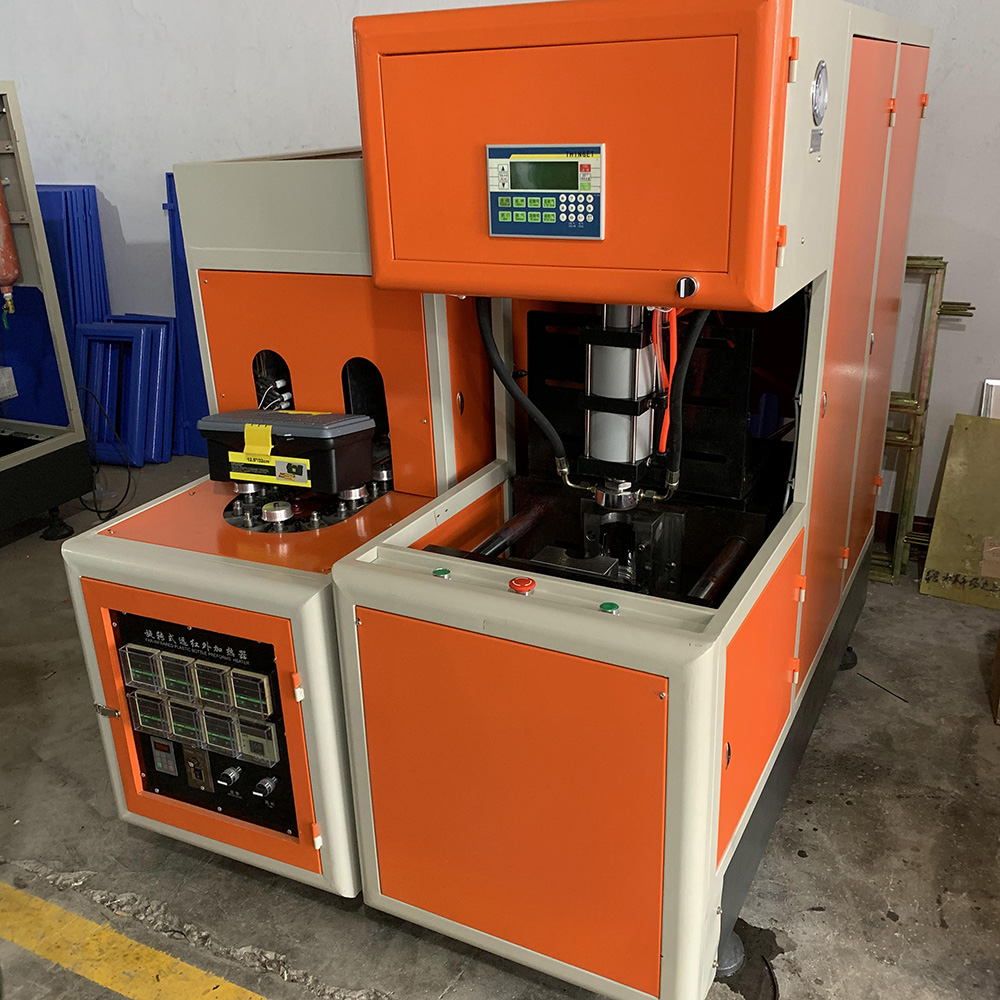
Investing in a blow molding machine is a significant decision for any bottle manufacturing operation. With numerous models and specifications available, understanding the key parameters that affect performance, output, and cost is essential for making an informed choice. At YUSHUN, we have helped countless customers select the right equipment for their needs. This guide outlines the five most important parameters to evaluate before purchasing a blow molding machine.
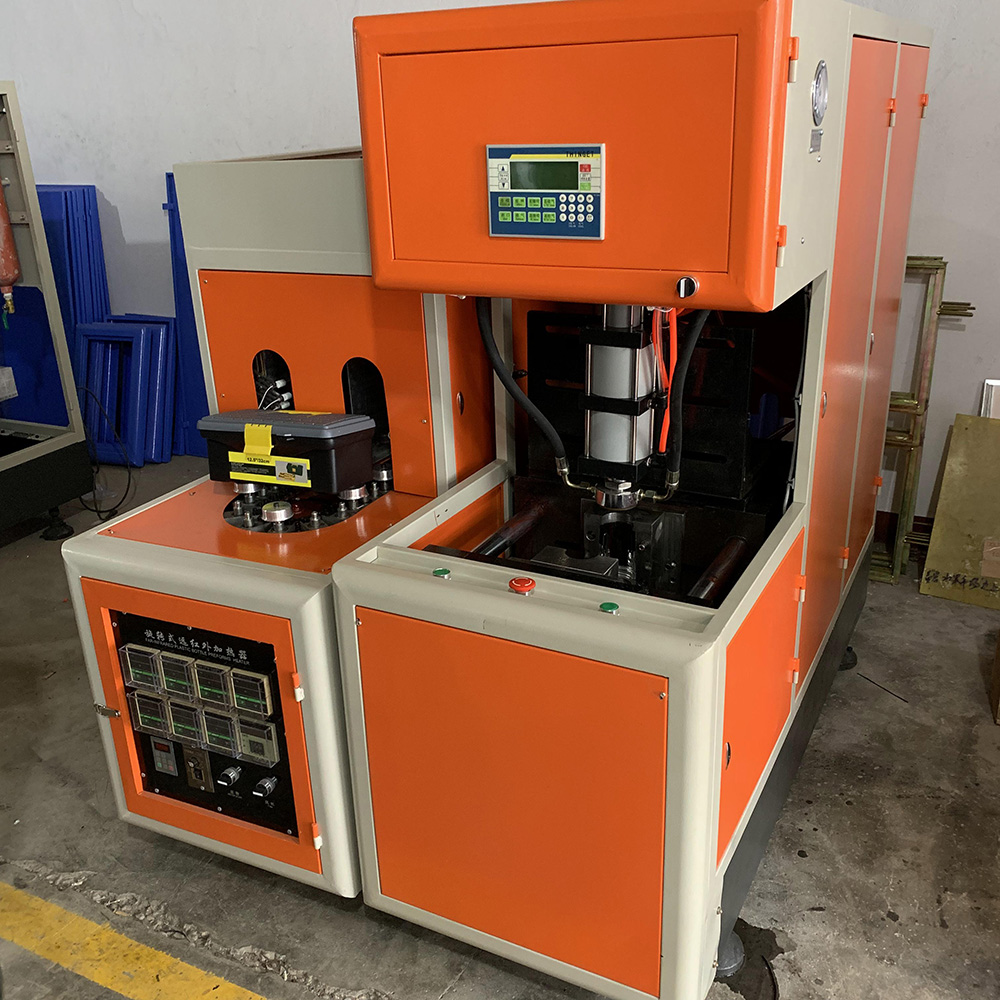
Parameter 1: Output Capacity (Bottles Per Hour)
Output capacity is the most fundamental parameter to consider. It determines how many bottles your machine can produce in a given time and directly impacts your ability to meet production targets.
What to Consider
Current production needs – Calculate your average daily or weekly bottle requirements. Be realistic about your present demand rather than overestimating based on optimistic forecasts.
Peak demand periods – Consider seasonal fluctuations or promotional periods that may require higher output. Your machine should handle peak demand without excessive overtime.
Growth projections – Estimate your production needs for the next 2-3 years. Buying a machine that is too small may require a premature upgrade. Buying too large a machine ties up capital unnecessarily.
Output Ranges by Machine Type
| Machine Type | Typical Output | Best For |
|---|---|---|
| Semi-Automatic | 300-1,200 bottles/hour | Startups, small businesses, multiple bottle sizes |
| Fully Automatic (Single Cavity) | 1,500-3,000 bottles/hour | Medium volume, dedicated production |
| Fully Automatic (Multi-Cavity) | 3,000-10,000+ bottles/hour | High volume, continuous operation |
How to Choose
Match output capacity to your required daily production and available operating hours. For example, if you need 10,000 bottles per day and plan to run a single 8-hour shift, you need a machine capable of at least 1,250 bottles per hour. Allowing for breaks, changeovers, and maintenance, a machine rated for 1,500-1,800 bottles per hour would be appropriate.
Parameter 2: Bottle Size Range and Mold Compatibility
Not all blow molding machines can produce all bottle sizes. Understanding the size capabilities of potential machines ensures you can produce your intended products.
Key Size Specifications
Maximum bottle volume – The largest container the machine can produce, typically ranging from 150ml to 20L. Ensure this exceeds your largest planned bottle.
Maximum bottle diameter – The widest point of your bottle must fit within the mold opening dimensions.
Maximum bottle height – The vertical clearance available in the mold station determines maximum bottle length.
Neck finish compatibility – Verify that the machine can accommodate the neck finishes (PCO, 1881, ALCO, etc.) you plan to use.
Mold thickness range – Different molds have different thickness requirements. Ensure your target machine accepts molds within your specifications.
Bottle Size Guidelines
| Application | Typical Volume | Recommended Machine |
|---|---|---|
| Small water/juice | 150ml – 500ml | Semi or fully automatic |
| Standard beverage | 500ml – 2L | Semi or fully automatic |
| Large water | 5L – 10L | Semi or fully automatic |
| Bulk water | 5 gallon (18.9L) – 20L | Heavy-duty semi or fully automatic |
What to Watch For
Some machines advertised for certain capacities may struggle at the upper end of their range. Ask for real-world production data rather than theoretical maximums. If you plan to produce multiple bottle sizes, prioritize machines with quick changeover capabilities.
Parameter 3: Energy Consumption and Efficiency
Energy costs represent a significant portion of operating expenses for blow molding machines. Understanding energy parameters helps you calculate true operating costs and compare machines accurately.
Key Energy Specifications
Installed power (kW) – The total electrical capacity required to operate the machine. This includes heating ovens, motors, controls, and auxiliary systems.
Energy consumption per bottle – A more useful metric than total power is how much energy is consumed per bottle produced. Ask suppliers for this data.
Compressed air requirements – Air consumption (typically measured in cubic meters per minute at specified pressure) affects compressor sizing and operating costs.
Cooling water requirements – Water flow rate and temperature specifications impact chiller sizing and water treatment costs.
Energy-Saving Features to Look For
Servo drive systems – YUSHUN servo-driven machines consume significantly less energy than traditional hydraulic systems by operating only on demand.
High-pressure air recovery – Systems that capture and reuse blowing air can reduce compressed air consumption by over 25%.
Energy-efficient infrared lamps – Modern heating elements convert more electrical energy into usable heat, reducing overall power consumption.
Insulated heating ovens – Proper insulation minimizes heat loss to the surrounding environment, improving efficiency.
Calculating Energy Costs
To estimate annual energy costs, multiply the machine's actual consumption (not just installed power) by your local electricity rate and operating hours. Remember that rated power is often higher than actual consumption. Ask suppliers for real-world consumption data or arrange a demonstration.
Parameter 4: Automation Level and Labor Requirements
The automation level of a blow molding machine directly affects labor costs, operator skill requirements, and production flexibility.
Understanding Automation Options
Manual / Semi-Automatic – Requires operator loading of preforms and often manual bottle removal. Best for small volumes, multiple bottle types, and operations where labor costs are moderate.
Fully Automatic – Automatic preform loading, transfer, blowing, and ejection. Requires less operator attention, allowing one operator to manage multiple machines.
Servo-Driven – Provides finer control over motion profiles, potentially reducing cycle times and improving energy efficiency.
Labor Considerations
| Machine Type | Operators Needed | Skill Level | Labor Cost per Bottle |
|---|---|---|---|
| Semi-Automatic | 1-2 per machine | Basic | Higher |
| Fully Automatic | 1 operator for 2-4 machines | Moderate | Lower |
| Servo Automatic | 1 operator for 3-5 machines | Moderate-Advanced | Lowest |
Questions to Ask
How many operators are required per shift?
What training is needed to operate the machine safely and efficiently?
Can one operator handle multiple machines of this type?
What is the typical changeover time between bottle sizes?
Are automated systems available for preform loading and bottle ejection?
Making the Right Choice
If labor costs are high in your region, investing in higher automation levels pays off quickly through reduced staffing requirements. If labor costs are moderate and you produce many different bottle types, the flexibility of semi-automatic machines may be more valuable.
Parameter 5: Build Quality and Reliability
The quality of construction determines machine lifespan, maintenance requirements, and overall reliability. Cutting costs on build quality often leads to higher long-term expenses.
Critical Build Quality Indicators
Frame and structural components – Look for heavy-duty steel construction. Machines should feel solid and stable during operation.
Heating system quality – Examine the infrared lamps, reflectors, and insulation. Quality components last longer and maintain efficiency.
Pneumatic components – Reputable brands (SMC, Festo, etc.) indicate attention to quality. Ask which brands are used.
PLC and control system – Modern, user-friendly controls from established manufacturers are easier to use and more reliable.
Electrical system – Clean wiring, labeled components, and proper circuit protection indicate good manufacturing practices.
What to Verify
CE certification – While not mandatory in all markets, CE certification indicates compliance with European safety and environmental standards.
Warranty terms – Standard warranties typically range from 12-24 months. Understand what is covered and for how long.
Spare parts availability – Ask about typical lead times for common spare parts. Local stocking is preferable.
Supplier reputation – Research the manufacturer's history, customer reviews, and industry standing.
Red Flags to Avoid
Unusually low prices compared to similar machines
Vague specifications or unwillingness to provide detailed technical data
Limited or no warranty
Difficulty obtaining customer references
Unfamiliar or unverifiable component brands
Comparison Checklist
Use this checklist when comparing blow molding machines from different suppliers:
| Parameter | Machine A | Machine B | Machine C |
|---|---|---|---|
| Output (bottles/hour) | |||
| Max bottle volume | |||
| Bottle diameter range | |||
| Bottle height range | |||
| Installed power (kW) | |||
| Air consumption (m³/min) | |||
| Servo drive (Y/N) | |||
| Air recovery (Y/N) | |||
| Automation level | |||
| Operators required | |||
| Frame construction | |||
| Pneumatic brand | |||
| PLC brand | |||
| Warranty period | |||
| Price |
Why YUSHUN Blow Molding Machines
YUSHUN blow molding machines are designed with these five key parameters in mind. We offer:
Flexible output capacity – From 300 to 10,000+ bottles per hour across our product range
Wide bottle size capability – From small 150ml bottles to 20L large containers
Energy-efficient design – Servo drive systems, high-pressure air recovery, and efficient infrared heating
Appropriate automation levels – Both semi-automatic and fully automatic options available
Superior build quality – Heavy-duty construction with reputable components
Conclusion
Understanding these five key parameters – output capacity, bottle size range, energy consumption, automation level, and build quality – will help you select the right blow molding machine for your production needs. Take time to evaluate each parameter carefully, request detailed specifications from suppliers, and compare machines based on total cost of ownership rather than just purchase price.
Contact YUSHUN today to discuss your blow molding machine requirements. Our experienced team can help you navigate these parameters and select the optimal machine for your operation.