
Introduction
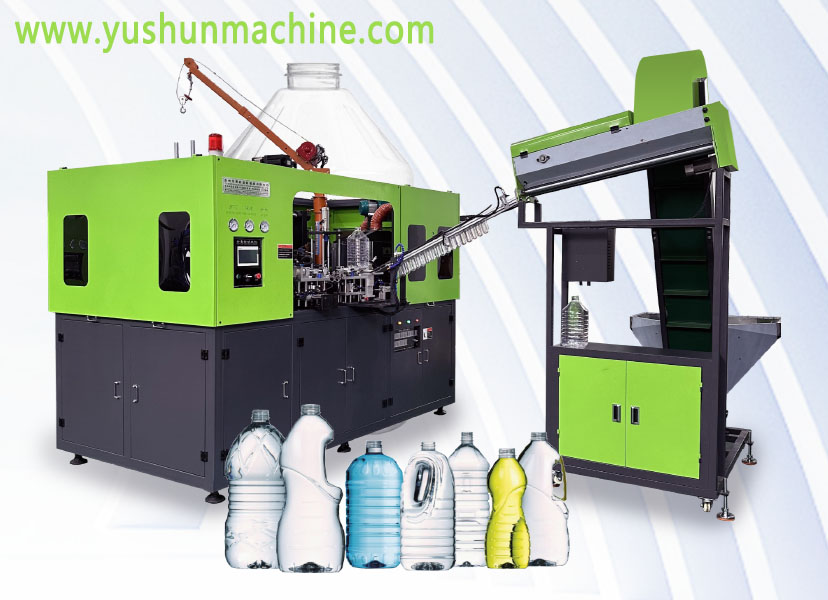
The 2-cavity 5L PET oil bottle blow molding machine is a specialized equipment designed for manufacturing large-capacity polyethylene terephthalate (PET) containers for edible oils. Proper operation and maintenance are crucial for ensuring production efficiency, product quality, and workplace safety. This comprehensive guide outlines essential considerations for using these machines effectively.
Pre-Operation Preparations
Machine Inspection: Before starting operations, conduct a thorough visual inspection of the entire system. Check for loose bolts, hydraulic leaks, electrical connection integrity, and pneumatic system conditions.
Material Verification: Ensure you are using food-grade PET preforms specifically designed for oil packaging with appropriate viscosity and crystallization properties.
Mold Inspection: Verify that the molds are clean, properly installed, and free from damage or excessive wear. Confirm cooling channels are unobstructed.
Temperature Calibration: Preheat the machine and calibrate all heating zones according to material specifications. Typical PET processing temperatures range between 90-110°C for preform heating.
Safety Systems Check: Test all emergency stops, safety guards, interlocks, and pressure relief valves to confirm proper functioning.
Operational Best Practices
Startup Sequence: Follow the manufacturer's recommended startup procedure, typically beginning with hydraulic system activation, followed by heating, then mechanical functions.
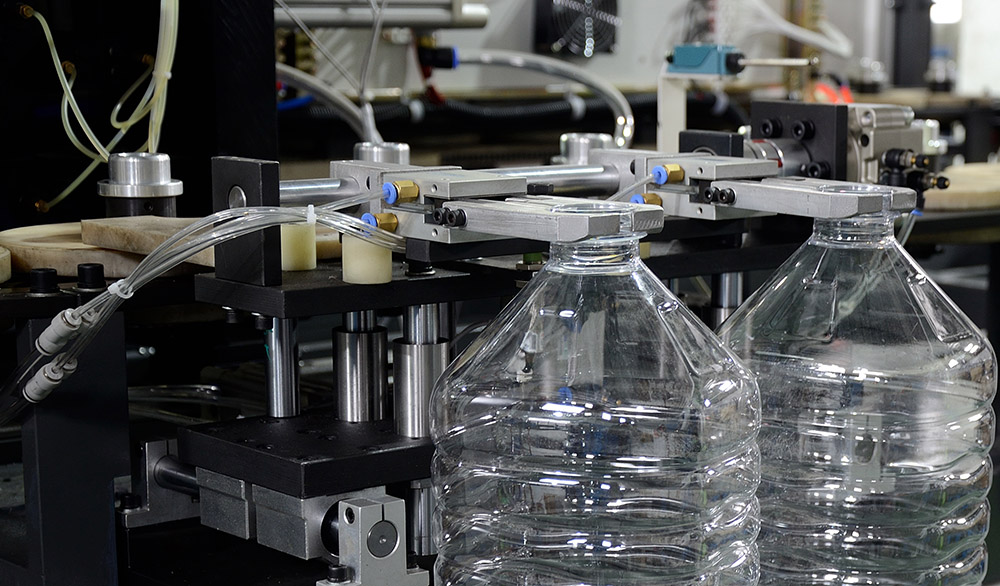
Parameter Settings: Establish optimal parameters for blow pressure (usually 25-40 bar), stretch rod speed, timing sequences, and cooling settings based on preform characteristics.
Quality Monitoring: Regularly inspect initial production bottles for wall thickness distribution, base stability, neck finish quality, and visual defects. Adjust parameters as needed.
Continuous Supervision: Monitor machine operation consistently, paying attention to unusual noises, vibrations, or performance deviations.
Material Handling: Keep preforms dry and clean. PET is hygroscopic and should be stored in dry conditions or dried before processing (typically 3-4 hours at 160-180°F if needed).
Maintenance Protocols
Daily Maintenance: Clean molds, lubricate moving parts as specified, check hydraulic fluid levels, and clean air filters.
Weekly Tasks: Inspect and clean heating elements, check oven temperature uniformity, verify calibration of all sensors, and inspect stretch rods for wear.
Monthly Procedures: Examine hydraulic hoses and connections, check pneumatic valves and cylinders, inspect electrical components for wear, and verify safety system functionality.
Preventive Maintenance: Follow manufacturer's schedule for replacing wear parts, hydraulic filters, and conducting comprehensive system diagnostics.
Safety Considerations
Personal Protective Equipment (PPE): Operators must wear heat-resistant gloves, safety glasses, and appropriate footwear when working with the machine.
Thermal Safety: Avoid contact with heated components including preform ovens, molds, and freshly blown bottles which can reach temperatures exceeding 100°C.
Mechanical Hazards: Never reach into moving parts during operation. Ensure all safety guards are in place before machine operation.
Electrical Safety: Only qualified personnel should perform electrical maintenance. Always disconnect power before servicing electrical components.
Emergency Procedures: All operators must be familiar with emergency stop locations and shutdown procedures. Keep access areas clear for emergency response.
Troubleshooting Common Issues
Uneven Wall Thickness: Check preform temperature distribution, stretch rod alignment, and blow timing.
Hazy Appearance: Verify preform drying conditions, reduce moisture absorption, and check for overheating in specific zones.
Poor Base Stability: Adjust blow timing, increase base cooling, or modify preform base design.
Neck Distortion: Check neck calibration, mold alignment, and cooling around neck area.
Production Inconsistency: Verify temperature stability, hydraulic pressure consistency, and preform quality uniformity.
Efficiency Optimization
Cycle Time Reduction: Optimize heating and cooling times without compromising quality. Consider multi-layer insulation for energy efficiency.
Energy Management: Utilize machine energy-saving features, recover heat where possible, and maintain optimal operating temperatures.
Material Conservation: Fine-tune parameters to minimize PET usage while maintaining container integrity and performance specifications.
Changeover Procedures: Develop standardized protocols for mold changes and size transitions to minimize downtime.
Environmental Considerations
Energy Consumption: Monitor and optimize energy usage, particularly in heating systems which account for significant operational costs.
Material Waste Management: Implement recycling systems for reject bottles and preforms. Regrind material can often be reused in non-food applications.
Noise Control: Ensure proper maintenance to minimize operational noise, particularly in pneumatic exhaust systems.
Training Requirements
Ensure all operators receive comprehensive training covering:
Machine operation principles
Parameter adjustment and optimization
Safety protocols and emergency procedures
Basic troubleshooting techniques
Quality control standards for oil bottles
Preventive maintenance procedures
Record Keeping
Maintain detailed records of:
Daily production parameters and outputs
Maintenance activities and part replacements
Quality inspection results
Operator training and certifications
Energy consumption metrics
Conclusion
Proper operation of 2-cavity 5L PET oil bottle blow molding machines requires attention to detail, regular maintenance, and adherence to safety protocols. By following these guidelines, manufacturers can optimize production efficiency, ensure product quality, extend equipment lifespan, and maintain a safe working environment. Always consult your machine's specific operation manual for manufacturer-recommended procedures and specifications tailored to your equipment model.